
Last updated November 21, 2026
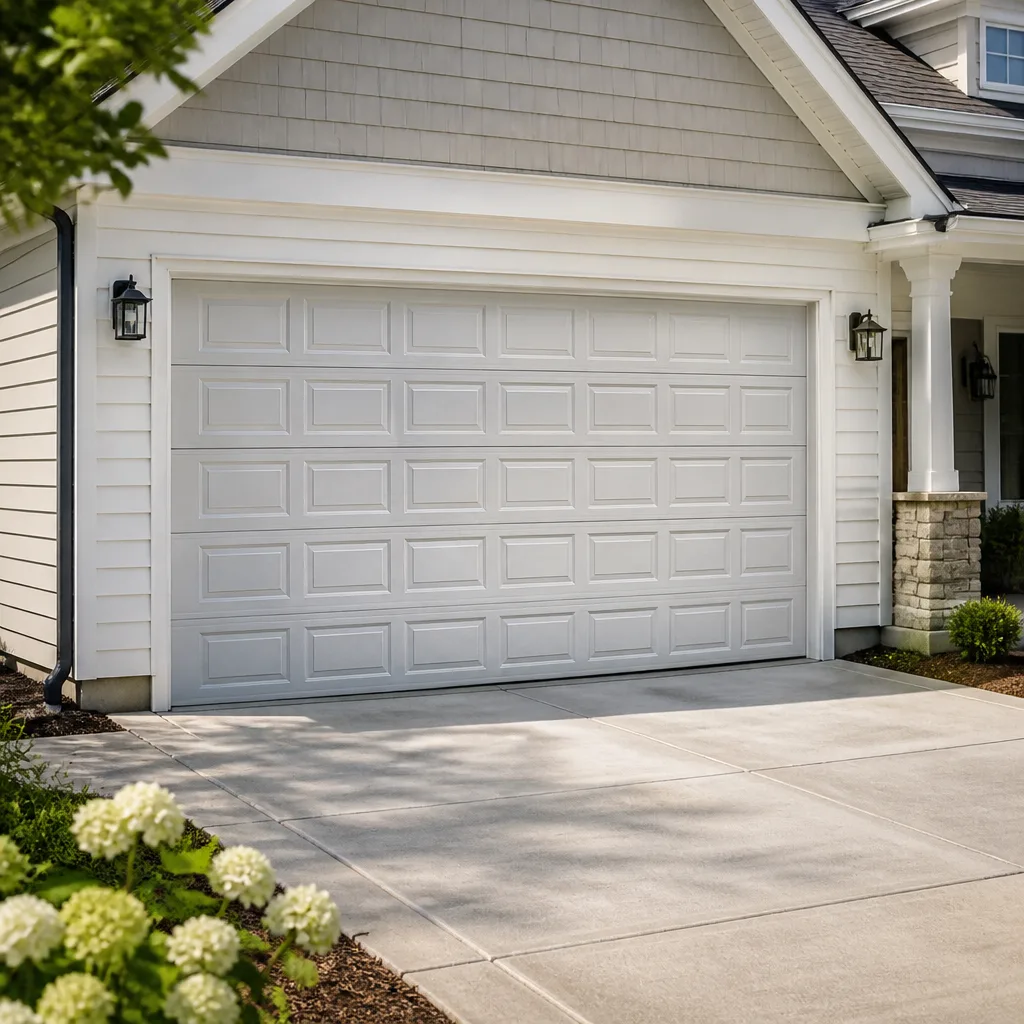 Raised-panel steel
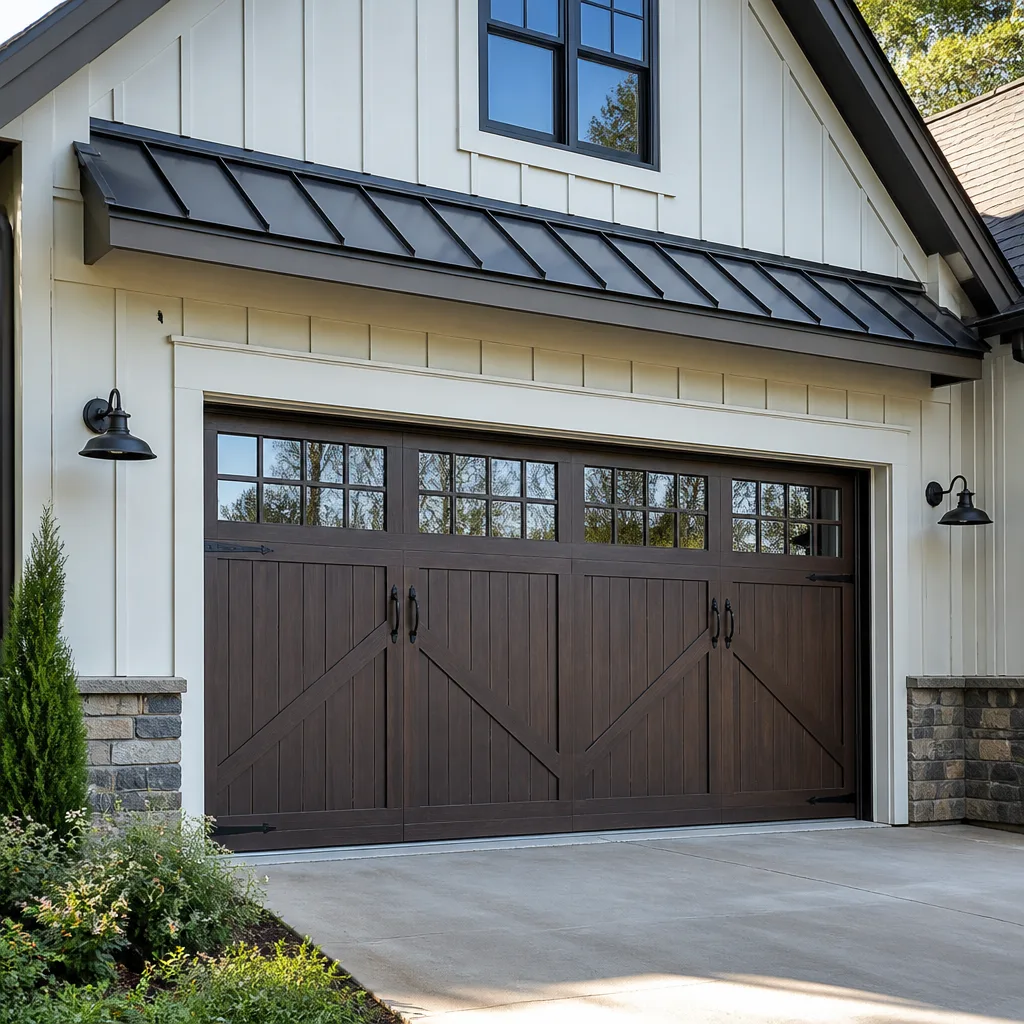 Carriage house
 Modern flush
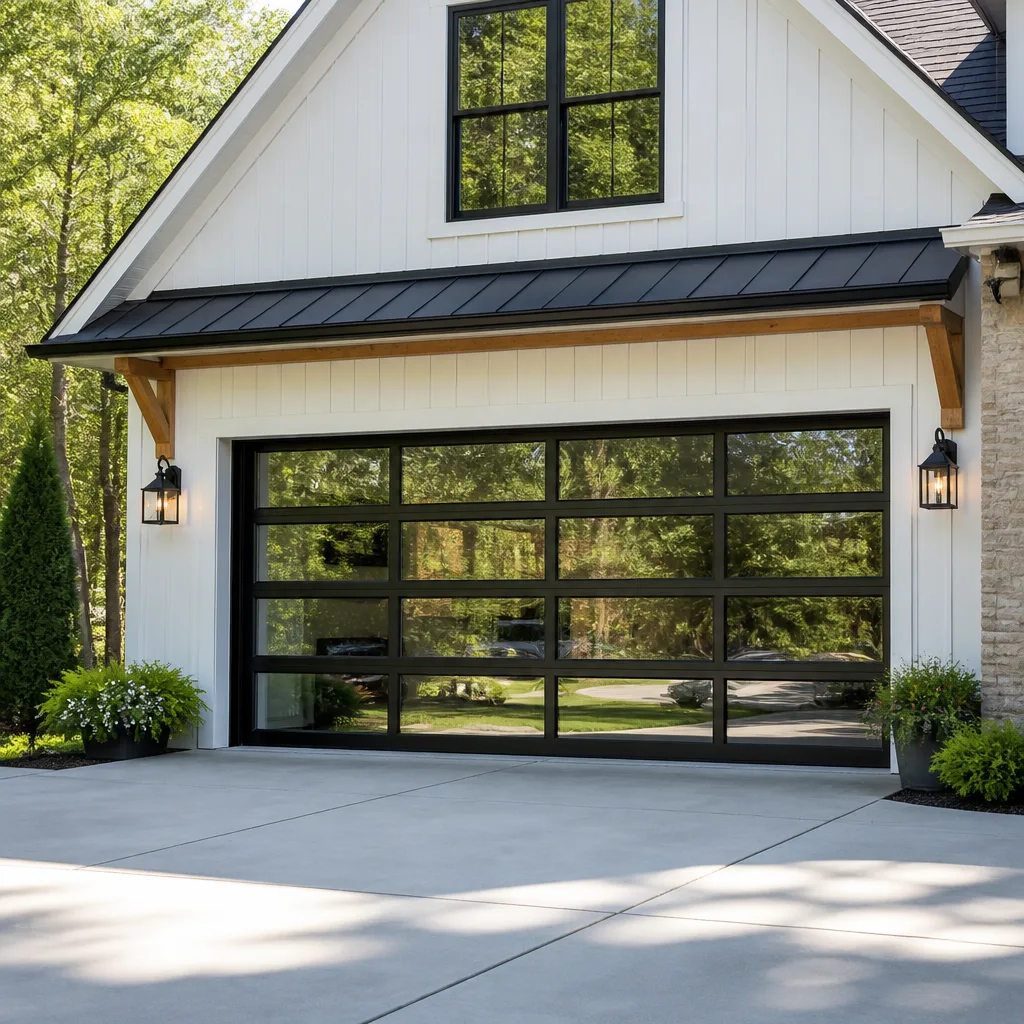 Full-view glass
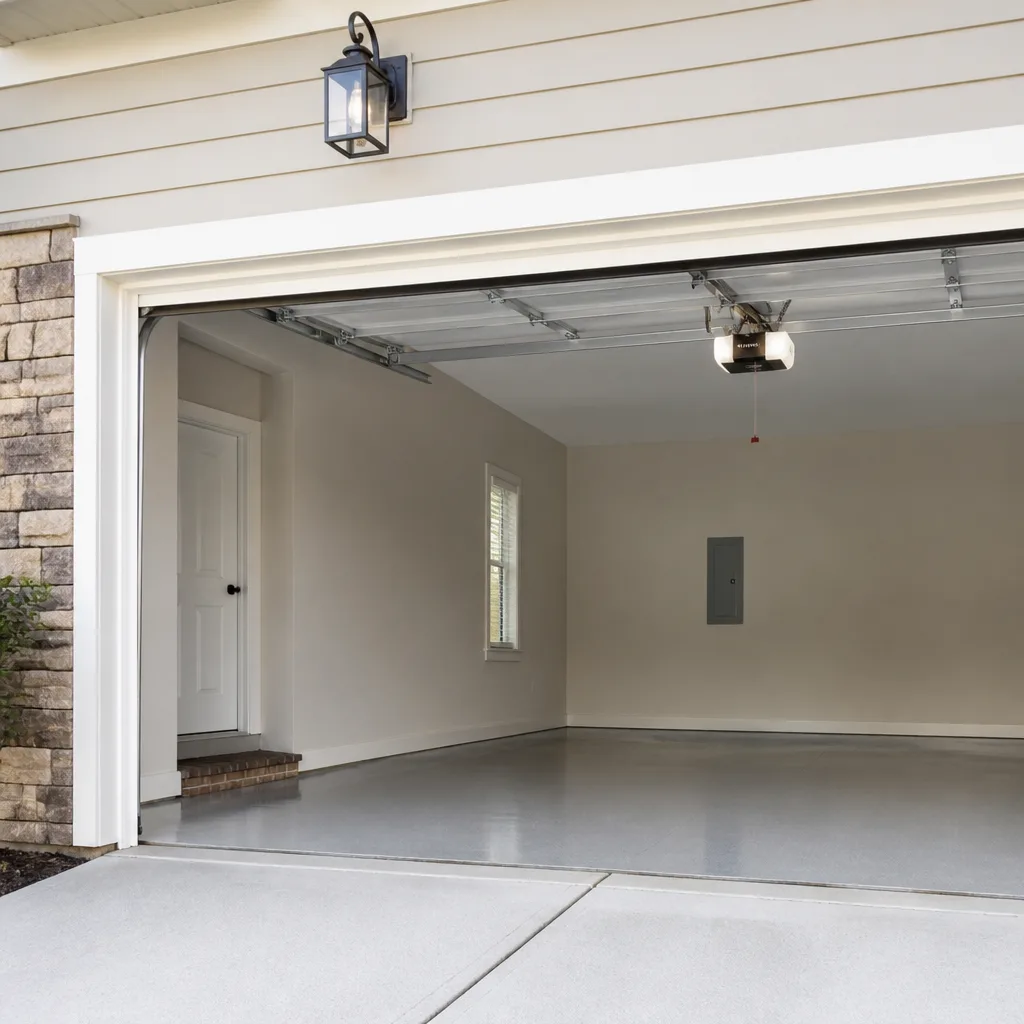 LiftMaster openers
 Chamberlain openers
Full 25-point door and opener safety check with every visit - springs, cables, rollers, tracks, and your LiftMaster or Chamberlain opener included
You get a price before we start. It does not change when the pro arrives.
Get your free estimateGarage Door Permits, Codes & Inspections in Eagan, MN: What You Need to Know
Most Eagan homeowners assume a garage door swap is too small a job to need a permit. That assumption is the reason so many closings hit a snag. Whether paperwork is required in Eagan depends less on the door itself and more on what else the job touches: the opener’s electrical circuit, the framing, the fire separation between an attached garage and the house. This guide walks through when a permit is triggered, how the City of Eagan’s process actually runs, what the Minnesota State Building Code expects of a garage door, and why skipping the paperwork can cost you at resale. If you’re planning work in Eagan, read this before the first truck pulls into the driveway.
Quick Answer
A straight door-for-door replacement is usually treated as maintenance and typically doesn’t need a permit in Eagan. But a new garage door opener with new or altered electrical work, structural changes to the opening, or anything affecting the fire-rated separation between an attached garage and living space usually does require a permit. When in doubt, call the City of Eagan’s building department and describe the job in plain terms before work starts.
Styles & brands we work with
- Raised-panel steel
- Carriage house
- Modern flush
- Full-view glass
- LiftMaster openers
- Chamberlain openers
Table of Contents
- When Does a Garage Door Need a Permit in Eagan?
- What the Minnesota State Building Code Requires for Garage Doors
- How the Permit Process Works in Eagan
- The Electrical Trigger Most Homeowners Miss
- What an Inspection Actually Checks
- What Happens if You Skip the Permit
- How Eagan’s Climate Shapes Garage Door Wear
- Working With a Contractor on a Permitted Job
When Does a Garage Door Need a Permit in Eagan?
Here’s the rule of thumb we give Eagan homeowners: the door itself is rarely the permit question. The permit question is about everything around the door. A straight replacement of a like-for-like door in the existing opening, with the existing opener and wiring untouched, is generally considered routine maintenance. Change the size of the opening, reframe, add a new electrical circuit, or install a new opener where none existed before, and you’ve likely crossed into permitted work.
The threshold comes down to scope, not price. A $600 door swap with no other changes may need no paperwork. A comparable door swap combined with a new opener wired to a fresh circuit may need an electrical permit even though the door cost is the same. That’s the confusing part for homeowners, and it’s why we tell people to ask the city before the job, not after.
Roughly, a permit is usually required when the job involves:
- Enlarging or resizing the opening, or any change to the header or framing
- Converting a manual garage door to an opener-driven door for the first time
- New electrical work for an opener, including a new circuit, new outlet, or new run from the panel
- Any work that affects the fire separation between an attached garage and the living space
- Replacing a door with one of a different weight or operating type where the existing opener’s capacity is in question
A permit usually isn’t required for:
- Like-for-like replacement of the door in the existing opening with existing hardware
- Replacing a worn opener with a compatible unit wired to the existing circuit (confirm with the city)
- Routine spring replacement, roller replacement, or track adjustment
- Weatherstrip, seal, and trim replacement
- Painting or cosmetic refinishing
These are general guidelines. Eagan’s building department has the final say for your specific address and property, so a quick call settles it in five minutes.
What the Minnesota State Building Code Requires for Garage Doors
The Minnesota State Building Code is what Eagan’s inspectors work from, and it covers more of your garage door than most homeowners expect. The big three areas are structural attachment, fire separation, and safe operation.
Structural attachment and headroom. The door’s track, header, and torsion assembly have to be anchored to framing that can carry the load. Inspectors look at how the track is fastened, whether the header is sized for the door’s weight, and whether the opening is plumb and square. An Amarr or Clopay door spec sheet lists the required headroom and track configuration, and the installer is expected to follow it rather than improvise. A well-installed door from any of the major brands will pass; the difference is in the framing and the anchor pattern.
Fire-rated separation for attached garages. The most important and most overlooked code item. When a garage is attached to the house, the wall and ceiling between the two are required to resist fire long enough for occupants to get out. Any door between the garage and the house is required to be a fire-rated door, and the separation has to stay intact. Punch a new opening, remove drywall to reframe, or add an attic access in the garage ceiling, and the fire separation is part of the job. We’ve seen openers mounted with penetrations that compromise the ceiling layer, and inspectors catch that.
Safe operation and automatic reversal. The code also covers operational safety: the door must reverse on contact and must have a functioning entrapment protection system. On a new opener installation this is part of what the inspector verifies, and it’s part of what we check on every Genie or Wayne Dalton opener we service.
Because the code is adopted locally and amended, it’s worth confirming the current version with the City of Eagan’s building department before any permitted job.
How the Permit Process Works in Eagan
The process in Eagan is straightforward once you know the sequence. Here’s how it typically runs, start to finish.
- Describe the job to the building department. Call or check the City of Eagan’s website for the current permit application. Tell them exactly what’s changing: door only, door plus framing, door plus new opener and electrical, or door plus fire separation work. You want the permit type confirmed in writing or by email.
- Submit the application online. Eagan accepts permit applications through its online portal for most residential work. You’ll need the property address, a description of scope, the contractor’s information if you’re using one, and sometimes a simple drawing or product spec sheet. For a door swap, the spec sheet for the new door is usually enough.
- Pay the fee and receive the permit. Fees scale with the valuation of the work. For a residential garage door or opener job, the fee is usually modest relative to the project. The permit is issued against your address and becomes part of the property record.
- Do the work with the permit posted. The permit needs to be visible on site. During the job, the installer follows the approved scope; if the scope changes mid-job (a rotted header, unexpected framing damage), the permit has to be revised before proceeding.
- Schedule the inspection. Rough-in inspections happen before drywall or covers go up. Final inspections happen after the work is done. For a garage door, the inspection is usually a single final visit for the door and a separate electrical inspection if wiring was involved.
- Get the sign-off. The inspector either signs off or issues a correction notice. Corrections are usually small and easy to fix when the installer is still on site. Once signed off, the permit closes and the work is on the record.
Timeline in practice: residential garage door and opener permits in Eagan are typically issued within a few business days, and inspection scheduling is usually a few days out. Plan for a week or two end-to-end so the job doesn’t stall waiting on paperwork.
The Electrical Trigger Most Homeowners Miss
This is where the surprises happen. A homeowner buys a new smart opener, wants it wired cleanly, and the electrician runs a new circuit from the panel to a new outlet in the ceiling. That’s an electrical permit, separate from any structural permit, and it triggers inspection of the wiring. Many homeowners assume opener replacement is “just swapping a box,” and skip the permit because the door itself didn’t change.
An electrical permit for a garage opener installation typically covers:
- New circuit breakers or new circuits serving the garage
- New outlet or junction box installation for the opener motor head
- New wiring runs through the wall or ceiling
- Addition of safety sensors that require new wiring to the opener
- Replacement of inadequate or damaged existing wiring discovered during the job
It usually doesn’t cover:
- A plug-in opener that swaps into an existing grounded outlet
- Battery-only accessories (keypads, remotes)
- Simple opener replacement on an existing circuit where nothing is altered
The key distinction is “new work” versus “like-for-like swap.” If the electrician opens a wall, adds a breaker, or changes the circuit, assume the electrical permit applies. When we’re on a job and the homeowner is adding an opener of a new type, we tell them to confirm electrical scope with the city before we start, because a clean installation and a clean inspection are the same job done right.
What an Inspection Actually Checks
An inspection sounds intimidating until you know what the inspector is looking for. For a garage door job in Eagan, the inspector is verifying that the work matches the permit scope and that the door and its parts meet code.
For a door-only permit, the inspector typically checks:
- That the installed door matches the approved product and size
- That the track is plumb, level, and securely anchored to sound framing
- That springs and cables are correctly tensioned and rated for the door’s weight
- That the door operates smoothly and seals against the opening
- That the fire separation is intact if any part of the wall or ceiling was touched
For a permit covering opener and electrical work, add:
- That the opener is correctly hung and the rail is level
- That the safety reversal works on both contact and photo-eye
- That the electrical circuit matches what was permitted
- That the disconnect and manual release both work
- That the wiring is properly secured and routed
What trips people up most often? Small stuff. A door hung with the wrong spring weight. A photo-eye mounted slightly too high. A circuit that was added but not permitted separately. None of these are unsafe, but they cost re-inspection visits and can turn a one-week job into a one-month job. A good installer anticipates all of this before the inspection visit is even scheduled.
What Happens if You Skip the Permit
Skipping a permit doesn’t usually cause a problem until it does, and when it does the consequences are financial. Here’s what we’ve seen happen in Eagan and understand to be common elsewhere in Minnesota.
Insurance claims get denied. If a fire starts in an attached garage and the cause is traced to wiring or a door installation that should have been permitted but wasn’t, the insurer can and does investigate the permit record. A missing permit is a legitimate basis for the insurer to reduce coverage or deny a claim for the affected portion of the loss. That’s the single biggest reason to pull one even when the city wouldn’t require it.
Home sale disclosures catch it. Minnesota sellers are required to disclose known code violations and unpermitted work. Buyers are increasingly pulling permit records during due diligence, and their inspector will flag unpermitted improvements. The resolution is either a retroactive permit (with the accompanying inspection and possible opening of walls) or a credit to the buyer.
Re-inspection costs stack. A retroactive permit usually requires opening up the work to be inspected. For a garage door installation that means pulling trim, sometimes removing drywall, and redoing the fastening pattern. That’s real labor on a job that was supposed to be done.
Contractor problems compound. Work performed without a permit is work a contractor can walk away from. If the door fails six months later, the installer’s incentive to make it right is much weaker when the job was never inspected.
None of this is meant to scare anyone into over-permitting. The point is simpler: for the modest cost of a permit on a job that requires one, you get protection at the two moments that matter most, an insurance claim and a home sale.
How Eagan’s Climate Shapes Garage Door Wear
Eagan sits in a climate that’s hard on garage doors, and the code work and the wear work never quite separate. Minnesota’s freeze-thaw cycle runs deep: the ground under the slab heaves and settles, the track can shift a fraction, and a door that ran fine in October starts rubbing in March. Our technicians have up to 14 years of experience, and the biggest seasonal pattern we see is spring and fall, when the temperature swing tightens the door’s tolerances.
Specific things Eagan homeowners should watch for:
- Spring fatigue. Cold-loaded springs work harder in winter and cycle more; the torsion spring is the highest-tension part on the door and the one that fails most often. That’s why it needs a dedicated garage door spring repair specialist, not a generalist.
- Track and roller wear. Road grit from winter driving and the freeze-thaw ground movement put more side-load on garage door hardware than in milder climates.
- Opener strain. A door that’s out of balance puts extra load on the opener motor through the cold months, and that’s the wear that shows up as a burnt opener in February.
- Weatherstrip decay. The bottom seal takes the worst of the sand-salt-grit mix and splits quietly, letting in the cold and the moisture.
- Frost and photo-eye interference. Frost can temporarily obscure the safety photo-eye, and a door that “acts up” on a cold morning is more often a sensor issue than a motor issue.
- Wood door movement. If your door has a wood frame (common on older doors in Eagan neighborhoods near the river or in established subdivisions), moisture cycling causes swelling and sticking that a garage door opener alone can’t fix.
Our technicians have up to 14 years of experience across LiftMaster, Chamberlain, Genie, Clopay, Amarr, Wayne Dalton, Craftsman, and Raynor systems, and the seasonal pattern we see in Eagan recurs every year: the same hardware, the same calls, and the same fixes if the maintenance is done.
Working With a Contractor on a Permitted Job
How a contractor handles permitting tells you a lot about how they handle everything else. Here’s what we suggest asking before any garage door job in Eagan is scheduled.
- Ask what permits will be pulled. Not “does this need a permit” but “what permit will you pull and who pulls it.” A contractor who pulls permits in their own name is taking responsibility for the inspection.
- Ask who schedules the inspection. Some crews hand that back to the homeowner. We don’t, and the better contractors don’t either.
- Ask what happens if the inspector finds a correction. The answer should be “we fix it and reschedule,” not “that’s on you.”
- Confirm the door weight and spring rating. An inspector checks this, and so should you. A heavier Clopay or Amarr door on the original lighter spring is a failure waiting to happen.
- Get the scope in writing. The written estimate should list door model, spring rating, opener model, and whether permit costs are included, itemized.
A properly permitted job also produces useful documentation for exactly the moments described above. If you ever sell, the permit record is your proof.
Common Mistakes to Avoid
- Assuming the door swap never needs a permit. The door itself often doesn’t trigger one, but new wiring or framing on the same job does. Always confirm scope with the City of Eagan before the job.
- Skipping the electrical permit for a new opener. This is the single most common missing permit we hear about. New circuit or new outlet equals an electrical permit, even when the door is unchanged.
- Not checking the fire separation before modifying the garage. Any work that opens the wall or ceiling of an attached garage has to keep the fire-rated separation intact. Inspectors catch this, and it’s easy to prevent.
- Buying a heavier door without adjusting the springs. A bigger panel or a heavier material needs a spring rated for that weight. Mismatched springs are the most common inspection correction we hear about.
- Storing the permit in a drawer instead of posting it. The job requires the permit to be visible. Inspectors turn around if they can’t find it.
- Assuming the original install was permitted. Older homes in Eagan can carry unpermitted work. Before a remodel of the garage, it’s worth pulling the permit history at the city.
- Letting the contractor walk off without a final inspection. A job isn’t done until the permit is signed off. If your installer considers the job finished before inspection, that’s a conversation to have.
- Forgetting to disclose at sale. Anything unpermitted has to be disclosed in a Minnesota seller disclosure. Better to have the permit and not need it than the other way around.
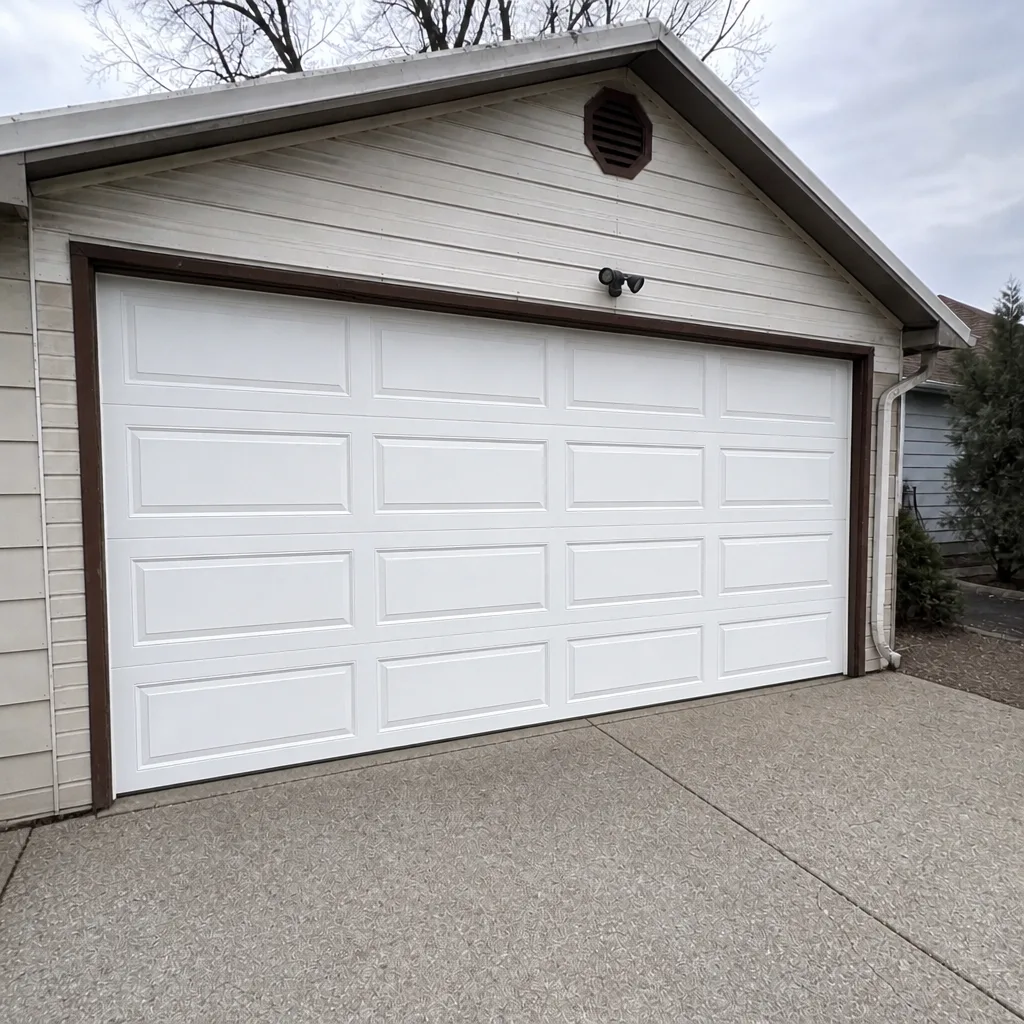
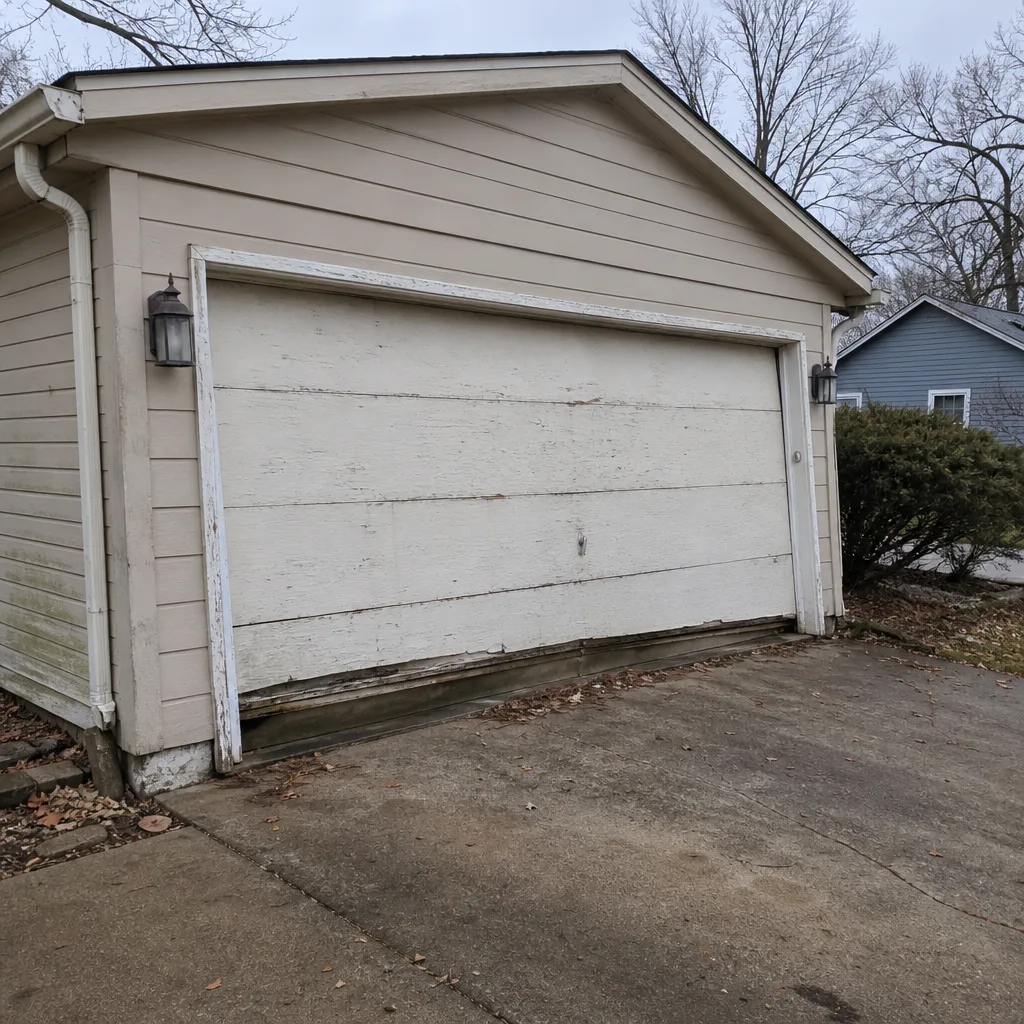
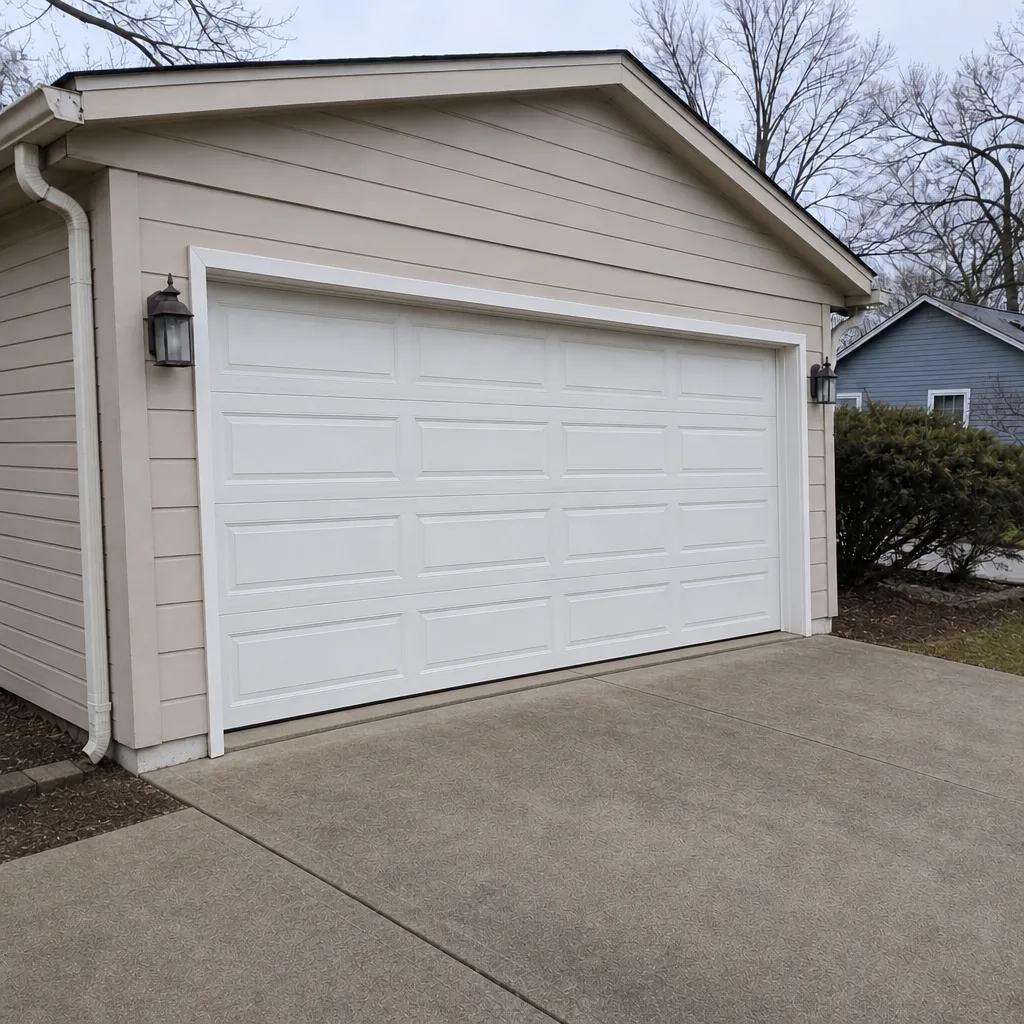
See the difference
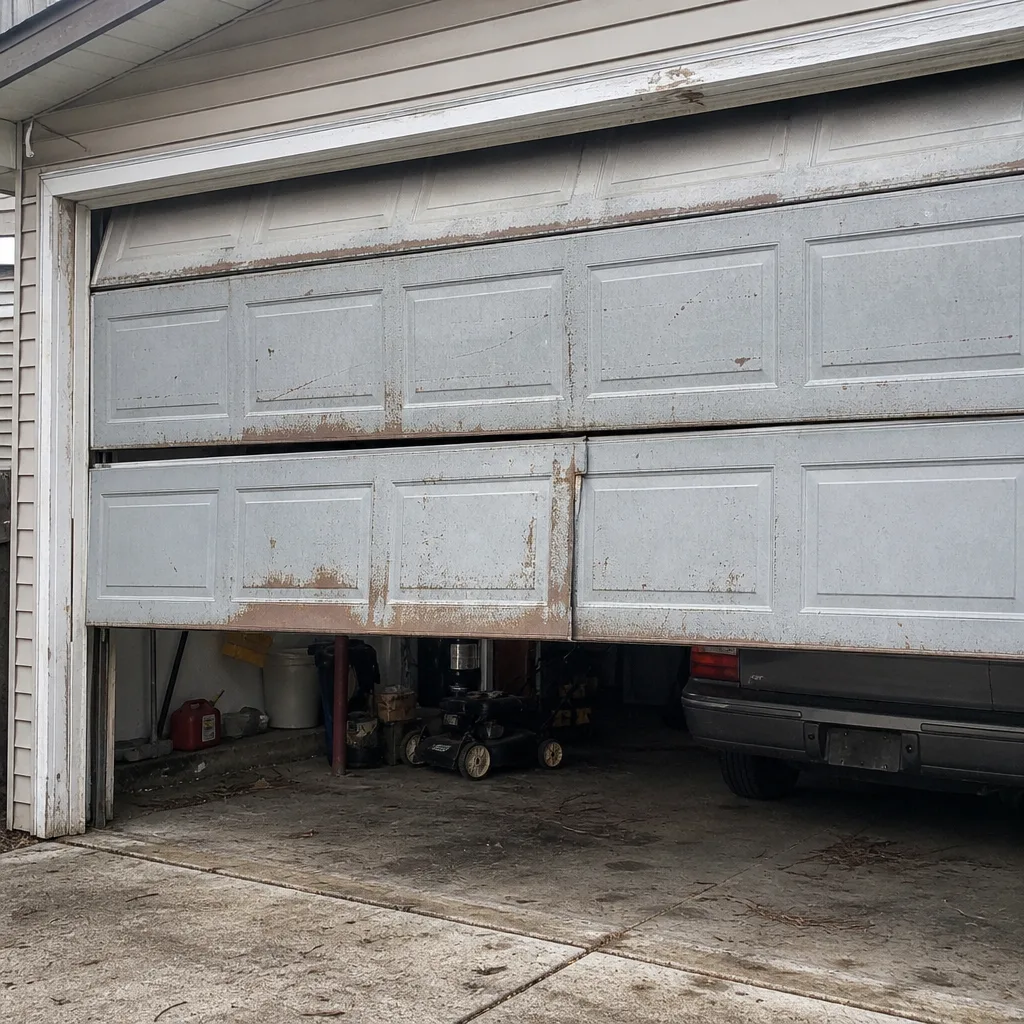 Before
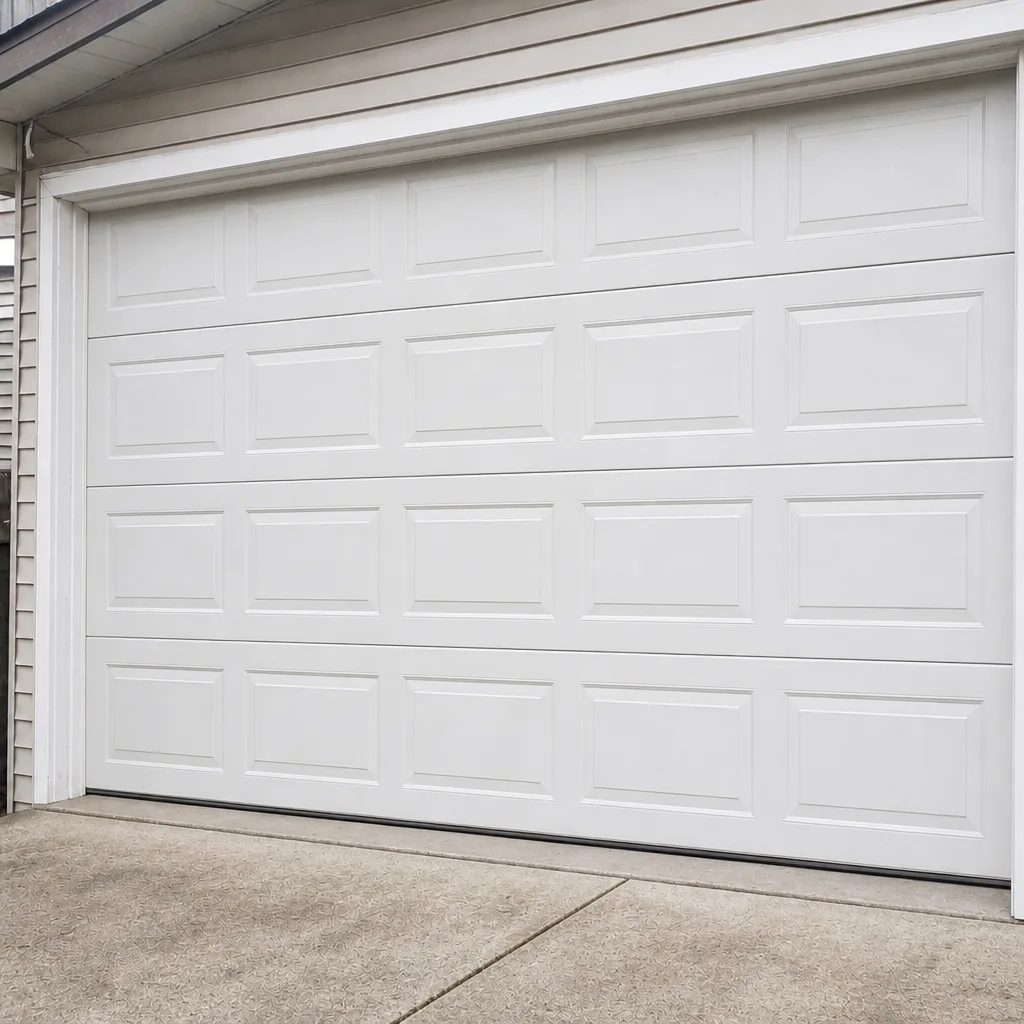 After
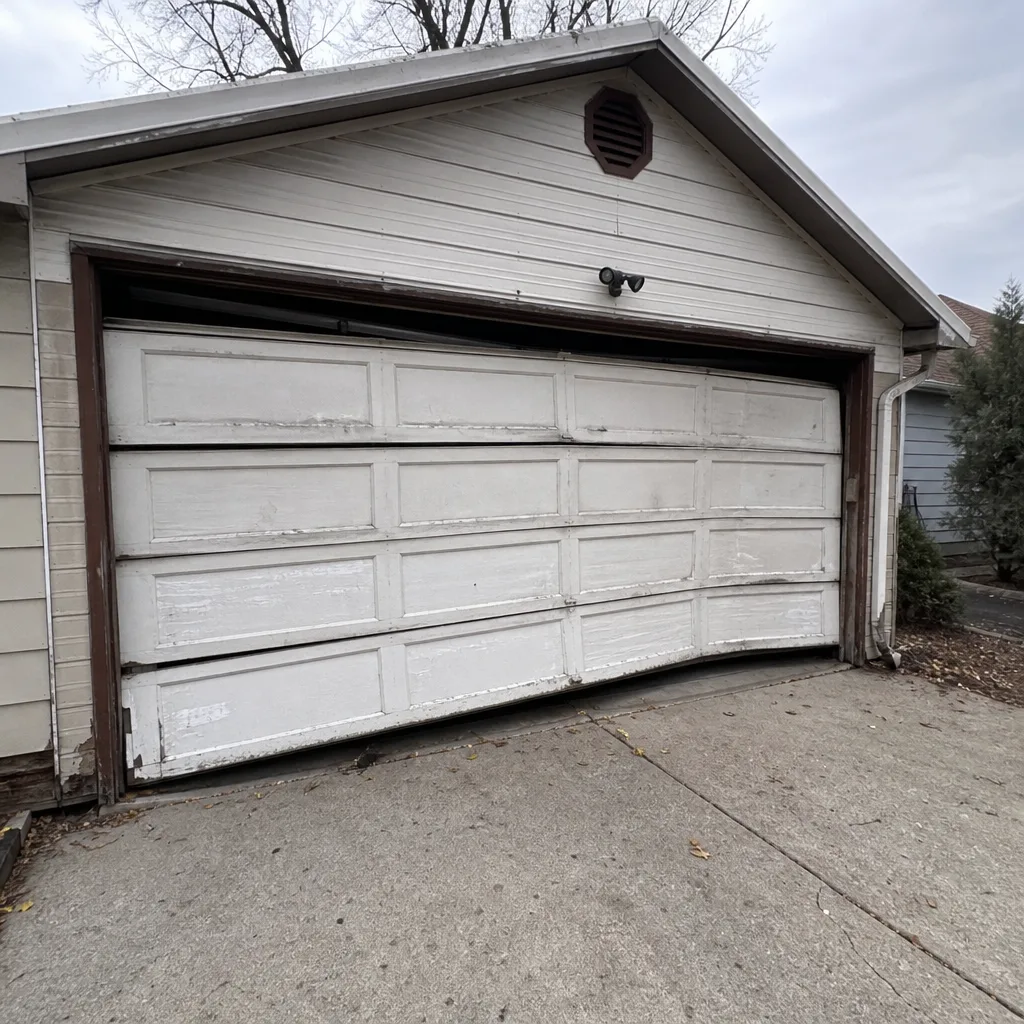 Before
 After
 Before
 After
When to Call a Professional
The right moment to call is the moment the job sounds bigger than a swap. If springs are broken or the door won’t open, that’s the call. If the opener runs but the door doesn’t move, that’s the call. If the door is going in for the first time, the opening is being resized, or the fire separation is being touched, that’s the call, and the permit conversation is part of the estimate. If you’re being asked to sign off on a permit you don’t understand, that’s a call too; we’re happy to walk through the scope with you before you sign.
If you just need someone to service the system you already have, garage door repair is the right starting point. If the door is up but the motor is dead, garage door opener repair covers diagnosis. If you have a spring failure and are wondering whether you can safely open the door manually, that answer is “no”; a trained pro should handle it.
Eagan Garage Door Repair Pros offers free estimates in Eagan. Call (877) 492-2497. We answer 24/7. Fast dispatch from 7am to 7pm, Sunday through Friday.
For broader context on the services involved, see the Eagan Garage Door Repair Pros main page for the full scope.
Frequently Asked Questions
Usually not, if it’s a straight like-for-like replacement with no electrical, framing, or fire separation changes. A new door of a different size, a manual-to-opener conversion, or any new wiring runs typically requires a permit. Call the City of Eagan’s building department with your specific scope; they have the final say. For a free estimate on the work itself, call (877) 492-2497.
It depends on how it’s wired, not on the opener. A plug-in opener on an existing grounded circuit usually doesn’t require a permit. A new circuit, a new outlet, or a wiring run from the panel does. That’s an electrical permit and it needs to be pulled before the installation. Confirm with the City of Eagan before the job; it’s five minutes of your time.
The Minnesota State Building Code covers structural attachment, fire separation between an attached garage and the living space, and safe operation including auto-reverse and entrapment protection. The code is adopted at the local level and can be amended, so always confirm with Eagan’s building department for your property. It’s the code the inspector will apply to your job.
Skipping a permit can cause problems with an insurance claim, a home sale disclosure, and re-inspection costs. It also weakens your position with a contractor who installed the work. The permit itself is usually a modest cost. For a job in Eagan, it’s the paperwork that protects the rest of the project. Call (877) 492-2497 for a free estimate and a clear scope.
A residential garage door or opener permit in Eagan is typically issued within a few business days, and inspection scheduling is usually a few days out. Plan for one to two weeks end-to-end so the job doesn’t stall. Exact timelines vary by application type and season, so confirm with the building department. Call (877) 492-2497 and we’ll schedule the work around your permit timeline.
Usually not. Spring replacement, roller replacement, track adjustment, and like-for-like door swaps are generally considered maintenance and don’t require a permit. The permit questions come up with framing changes, new wiring, or work on the fire separation. If you have a broken spring, call (877) 492-2497; estimates are free and the spring work is our dedicated specialty.
Technically yes on a like-for-like swap, but we’d caution against a full replacement or opener installation. The tensioned spring on a garage door is the single most dangerous part of the whole assembly; a slip can cause serious injury. It’s not the place to learn by trial. A trained technician is the safer and usually faster route.
The Bottom Line
The rule in Eagan is simpler than it looks: the door is rarely the permit question, and the work around the door is. Confirm the scope with the City of Eagan’s building department before any job that changes framing, wiring, or the fire separation. Keep the permit record. Use it as a signal when choosing a contractor. And for the door itself, whether it’s a spring failure now or a new Clopay or Amarr door later, call a specialist who knows the brand and knows the code. That’s what gets you back up and running without the paperwork catching up later.
Written by the team at Eagan Garage Door Repair Pros.
Call (877) 492-2497 for a free estimate. We answer 24/7. Fast dispatch from 7am to 7pm, Sunday through Friday.