
Last updated November 22, 2026
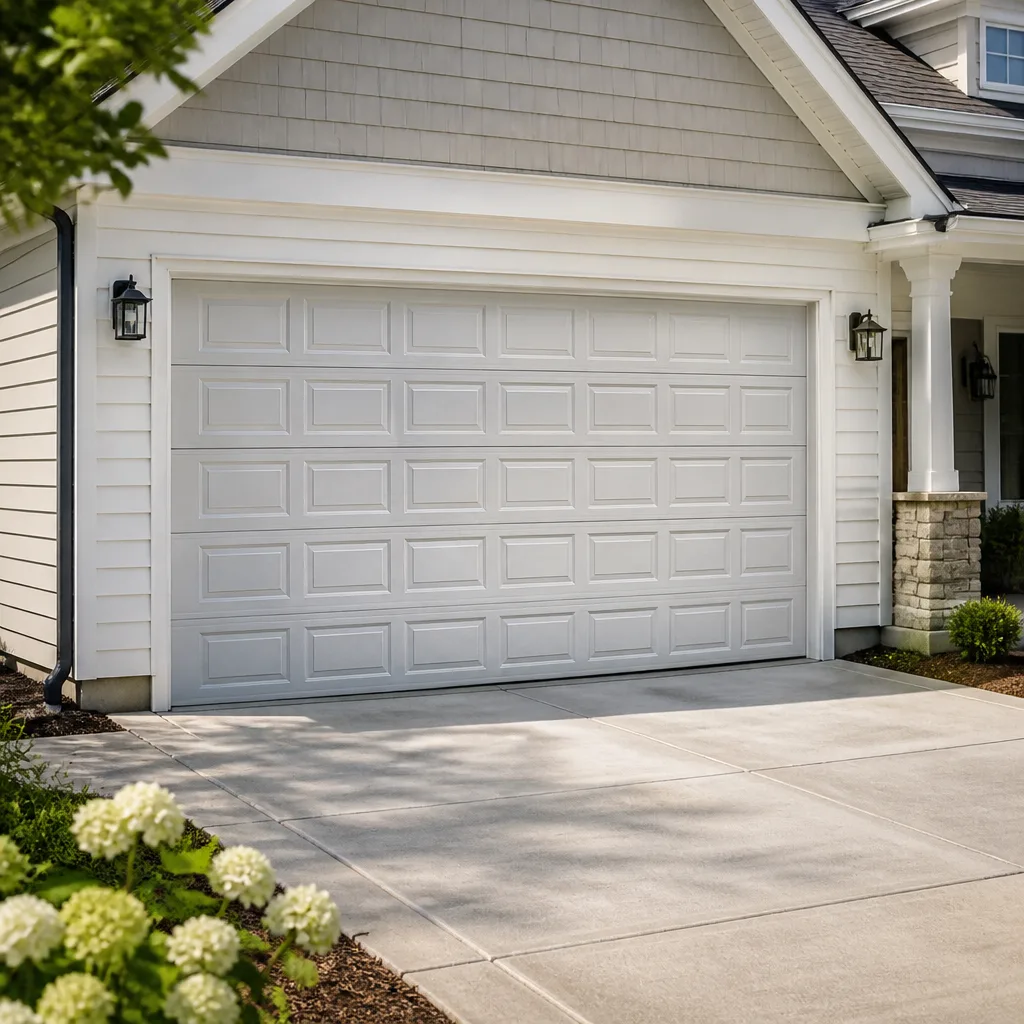 Raised-panel steel
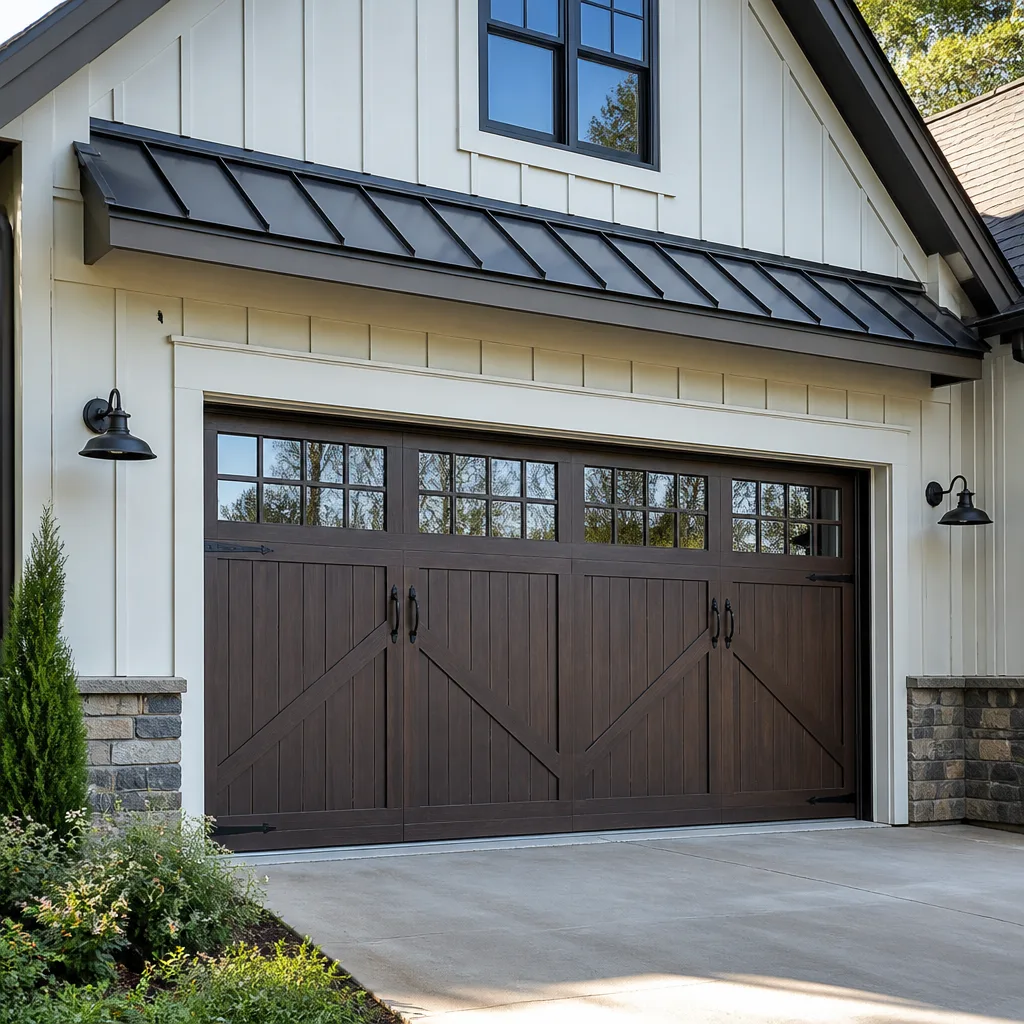 Carriage house
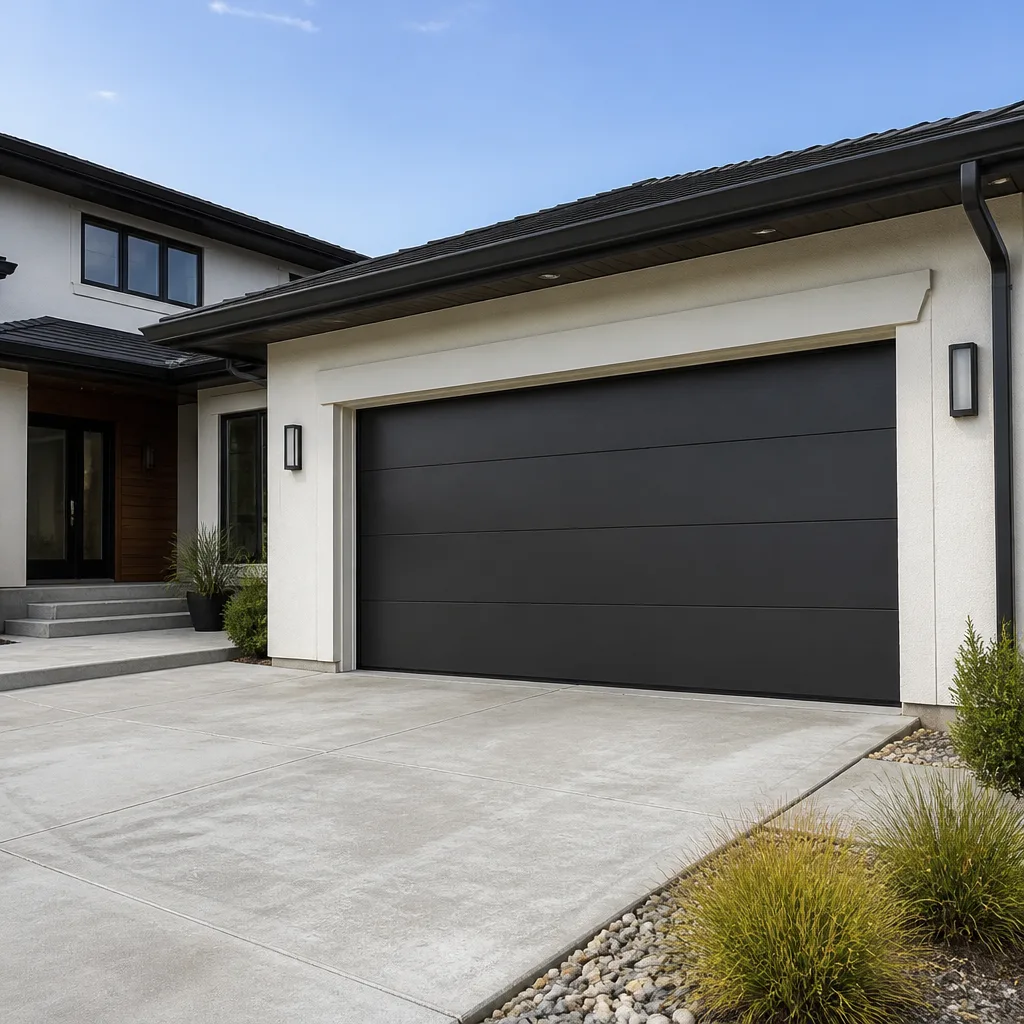 Modern flush
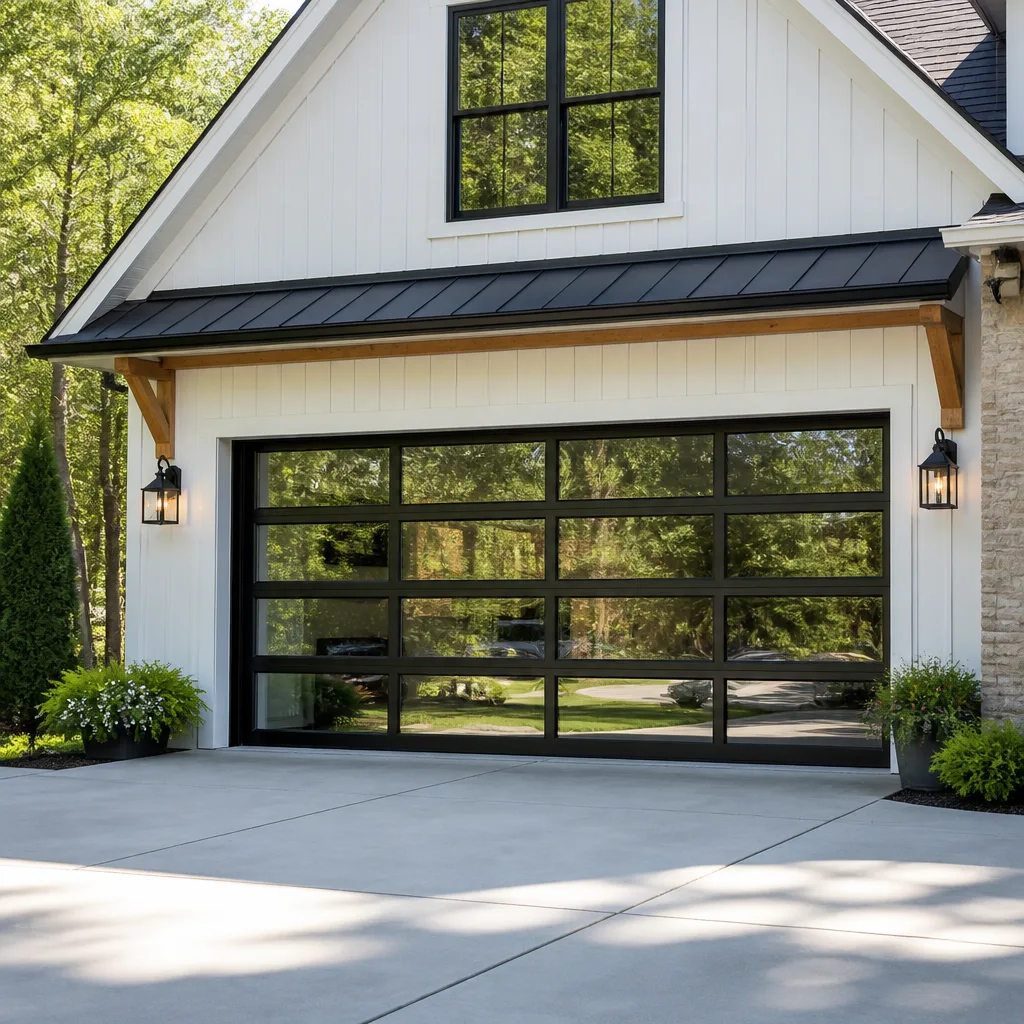 Full-view glass
 LiftMaster openers
 Chamberlain openers
Full 25-point door and opener safety check with every visit - springs, cables, rollers, tracks, and your LiftMaster or Chamberlain opener included
You get a price before we start. It does not change when the pro arrives.
Get your free estimateGarage Door Repair Troubleshooting in Eagan: Common Problems and How to Fix Them
Most homeowners assume a garage door that won’t open needs a new opener. It usually doesn’t. In our experience, the motor is often the innocent party while a tired spring, a worn roller, or a misaligned track is doing the real damage. That distinction matters, because the two problems live in completely different worlds: one is a mechanical fix, the other is an electrical one, and treating them the same wastes time and money. This guide walks through the five failure categories we see most often in Eagan, maps the sounds your door makes to the part responsible, and tells you exactly where the safe do-it-yourself ceiling sits.
Quick Answer
Start by isolating the category. If the motor runs but the door doesn’t move, you have a mechanical failure (spring, cable, roller, or track). If the door moves but the motor is silent or behaves erratically, you have an opener problem. If the door reverses before closing, check the sensors first, but in a Minnesota winter suspect ice, a stiff seal, or cold-thickened lubricant before you replace anything. Anything involving springs, cables, or a door that has dropped off one side is a stop-and-call situation.
Styles & brands we work with
- Raised-panel steel
- Carriage house
- Modern flush
- Full-view glass
- LiftMaster openers
- Chamberlain openers
Table of Contents
- The Five Failure Categories
- Opener Failure vs. Mechanical Failure: How to Tell Them Apart
- What That Noise Is Telling You
- Why Your Door Reverses Before Closing in Minnesota Winters
- The Safe DIY Ceiling for Each Problem Type
- Red-Flag Combinations: Stop Operating the Door Now
- Eagan Conditions That Change How Doors Fail
- A Maintenance Rhythm That Prevents Most Breakdowns
The Five Failure Categories
Every garage door problem we troubleshoot falls into one of five buckets. Sorting your symptom into the right bucket is the fastest route to a fix, because each category has its own safe DIY limits and its own urgency level.
- Spring and cable failures. The door feels impossibly heavy, won’t lift, or lifts crooked. A snapped torsion spring usually announces itself with a loud bang. Cables can fray before they break. This is the highest-risk category in the entire system.
- Roller, hinge, and track wear. The door moves but complains: grinding, squealing, jumping, or binding partway up. Usually gradual, rarely dangerous, but it accelerates wear on everything else.
- Opener and control failures. The motor hums without moving the door, the remotes stop responding, the wall button works but the remote doesn’t, or the unit runs for a few seconds and quits.
- Sensor and safety-reversal problems. The door starts down and goes right back up. The opener’s indicator light blinks in a pattern. Nothing is mechanically wrong; the safety circuit is doing its job.
- Balance and alignment problems. The door sags on one side, the gap at the bottom is uneven, or the panels rack sideways in the opening. Left alone, this category damages tracks and hinges.
Once you know the category, the decision tree becomes simple. Categories 1 and 5 require a professional. Categories 3 and 4 have a reasonable test-and-adjust layer you can handle. Category 2 sits in the middle: you can inspect and lubricate, but a bent track or a cracked hinge calls for a trained eye. We’ve seen plenty of Eagan doors where two categories overlap, and that’s exactly when diagnosing from symptoms alone gets risky.
Opener Failure vs. Mechanical Failure: How to Tell Them Apart
These two look alike from the driver’s seat but have almost nothing in common mechanically, and mixing them up is the number one cause of unnecessary parts replacement. The good news: a quick test separates them in about thirty seconds.
Pull the emergency release cord. This disconnects the door from the opener so you’re testing the door alone. Now lift the door by hand to about waist height. A properly balanced door lifts with modest effort and stays put when you let go. If it feels like dead weight, won’t stay up, or drops, the problem is mechanical. If it lifts easily and balances, the door itself is fine and the opener is the suspect.
Here’s how the symptoms compare:
- Motor runs, door doesn’t move or barely moves: mechanical. Spring, cable, or a broken drive component. Do not keep running the opener; you’ll burn out the motor or strip the gear.
- Motor hums, door silent: usually mechanical (door too heavy for the opener to lift) or a stripped opener gear.
- Opener doesn’t respond to any control, but the door lifts fine by hand: opener or control problem. Check the outlet, the wall button, and the safety sensors before condemning the unit.
- Remote doesn’t work but the wall button does: almost always a remote, battery, or radio-receiver issue, not a mechanical failure.
One thing worth knowing: many modern openers have a diagnostic LED that blinks in a code pattern. On brands like LiftMaster, Chamberlain, and Genie, that pattern often tells you directly whether the issue is a sensor, a force-limit trip, or a logic fault. Matching the blink pattern to the brand’s chart shortens diagnosis considerably. If you’d rather skip the guesswork, our garage door opener repair team works on those brands daily.
What That Noise Is Telling You
Garage doors rarely fail silently. They grind, pop, scrape, or squeal for days or weeks before they stop working, and each sound points to a specific component. Here’s our working translation chart from troubleshooting Eagan garages.
- Loud bang, then the door won’t lift: torsion spring break. This is the one sound that means stop immediately. Don’t run the opener.
- Grinding that gets worse over time: worn or seized nylon rollers, or dry hinges. Sometimes a failing opener gear. Lubrication often quiets it; if it returns within weeks, the rollers are worn out.
- Popping or snapping while the door moves: a cable jumping its drum, a worn hinge, or a panel flexing under load. Get this inspected before it becomes a cable failure.
- Scraping along one side: the door is rubbing the track because it’s out of alignment or a roller has slipped out of the channel. Correcting the track is not a homeowner job.
- Squealing at the top of travel: dry torsion shaft bearings or a worn bearing plate.
- Rattling that’s new: loose hinge bolts, a loose bottom bracket, or a panel that has started separating from its stile.
Cold weather sharpens all of these. Eagan winters shrink and stiffen the rubber bottom seal, thicken older lubricant, and make any existing binding worse. A door that’s marginally out of tune in October is often a door that won’t close in January. Our garage door repair team hears this pattern every season: the door was “fine” until the first hard freeze.
Why Your Door Reverses Before Closing in Minnesota Winters
Here’s the most common winter complaint we field: the door comes down, hesitates, and heads back up. Homeowners immediately assume a bad sensor, but in a Minnesota winter, that’s usually wrong.
The reversal behavior comes from the opener’s safety circuit. It includes the photo-eye sensors, but also a force-limit feature: if the opener senses more resistance than expected, it reverses to avoid crushing something. In cold weather, extra resistance is everywhere. The bottom seal stiffens and grabs. The track and rollers get a little tighter. The door itself is heavier. To the opener, that all reads as an obstruction, and it reverses.
Check these in order:
- Look at the sensor eyes on both sides. Are the lenses clear of ice, frost, and road spray? A dirty lens or a frost line can trip the circuit.
- Check for physical obstruction: snow, ice chunks, or debris at the floor line.
- Lift the door by hand to check balance. If it’s noticeably harder than usual, the mechanics are the issue, not the sensors.
- Check the sensor alignment. Both LEDs should be solid, not blinking.
If the sensors are clean and aligned, and the door still reverses, the force limit is set too tight for the door’s actual condition. That’s an opener adjustment, not a sensor replacement. A technician can correct it, but they’ll also want to figure out why the door got heavier. On doors made by Clopay, Amarr, or Wayne Dalton, a stiff or sagging bottom seal is a frequent culprit. If winter reversal is a recurring problem, our garage door spring repair team can check whether the springs are contributing before you spend money on the wrong part.
The Safe DIY Ceiling for Each Problem Type
We’re not a service that tells you everything is dangerous. Plenty of garage door maintenance is well within reach, and doing it saves you a call. But the ceiling is real, and it sits at springs and cables. Here’s where each category lands.
Safe to handle yourself:
- Cleaning the photo-eye lenses and checking sensor alignment.
- Testing door balance with the emergency release after disconnecting the opener.
- Replacing remote batteries and reprogramming a remote.
- Lubricating hinges, rollers, and the torsion shaft area per the manufacturer’s instructions, without touching spring tension.
- Checking the wall outlet for power and resetting the opener per the manual.
- Visually inspecting rollers and hinges for obvious wear or looseness.
Proceed only with judgment:
- Replacing worn nylon rollers yourself, which is doable on many doors but requires releasing door tension on some systems. Know your model before you start.
- Tightening loose hinge screws, which is easy on most doors but should not mask a panel that’s shifting.
Stop and call:
- Any work involving torsion springs, extension springs, or cables. These parts are under extreme tension and can cause serious injury if released incorrectly. This isn’t a caution we add for appearances; it’s the single most common source of garage door injuries.
- Adjusting or repairing a bent track.
- Anything on a door that has jumped a track, dropped on one side, or has a broken spring.
If your Eagan door falls into the stop-and-call tier, don’t keep cycling the opener hoping it clears up. Call (877) 492-2497. We answer 24/7. Fast dispatch from 7am to 7pm, Sunday through Friday.
Red-Flag Combinations: Stop Operating the Door Now
Some symptoms are safe to live with for a day or two. Others mean the door is in a failure state and every cycle adds risk. Here are the combinations that mean stop, disconnect if you can safely, and call.
- A loud bang followed by a door that won’t lift, plus a bent opener rail. Spring break with opener damage. Running the opener again can damage the door further.
- Door hanging unlevel in the opening, with a visible gap on one side. A cable has failed or come off the drum. This can drop the door without warning.
- Grinding that turns into a bang mid-travel, then the door stops crooked. Mechanical failure in progress. Stop immediately.
- A door that closes on anything, even a small object, is a safety issue. A door that fails to reverse when it meets an obstacle needs the safety system checked before anyone uses it.
- Any situation where the door has dropped unexpectedly or closed on one side. Stop, keep people away, and call.
One practical note: if the door is stuck open, your home is exposed. In Eagan, whether that’s a real problem depends on the month, but even an unattended evening is an easy fix for a thief. Don’t wait until morning to schedule. Call and we’ll get you on the dispatch schedule.
Eagan Conditions That Change How Doors Fail
Garage doors don’t fail the same way everywhere, and troubleshooting in Eagan means accounting for what our seasons actually do to hardware.
The freeze-thaw cycle is the big one. Water collects at the bottom of the door, freezes overnight, and thaws during the day. That cycle stresses the bottom seal, the bottom brackets, and the track at floor level. Doors that face north or sit in shaded driveways stay frozen longer and take more of this punishment. In older Eagan neighborhoods with mature tree cover, a shaded drive may stay slick with meltwater for days.
Thermal movement is the second factor. Doors expand and contract with big temperature swings, which loosens hardware over time. Hinges and track fasteners need periodic tightening, and a door that was perfectly aligned in July can bind slightly in January. That’s not a defect; it’s the physics of metal in a northern climate.
Wind and debris come third. Spring storms and fall leaves send material into tracks and against seals. Checking the track for debris after a high-wind event is one of the lowest-effort preventives there is. The same applies after a big snow event if drifting has pushed snow against the door.
Eagan’s housing mix matters too. Many homes here have attached garages that are used as primary entries, meaning the door cycles far more often than a detached garage on a hobby property. More cycles means faster wear on springs and rollers, and that means maintenance intervals should be shorter than the ones you’d find in a milder climate with less daily use.
A Maintenance Rhythm That Prevents Most Breakdowns
Most of the failures we troubleshoot have a warning window. Some maintenance now saves the call later, and it’s not complicated. Here’s the rhythm we recommend to Eagan homeowners.
- Monthly: test the safety reversal with a small object in the door’s path. Clean the photo-eye lenses. Listen to the door run and note any new sound.
- Seasonally (four times a year): check door balance with the emergency release. Look for loose hinges and track debris. Lubricate moving metal parts according to your door’s manual.
- Before winter: inspect the bottom seal for cracking, clear the track, and run the door several times to catch any binding before the first hard freeze. This is the single most useful check in Eagan.
- After major weather: clear the track of leaf debris or snow drift and test one full cycle.
- Every few years: have a technician inspect springs, cables, and rollers. Cables and springs fail gradually, and a trained eye catches wear before it turns into a breakdown.
Our technicians have up to 14 years of experience, and one of the things that experience teaches is how much of a repair call is preventable. The other thing it teaches is which symptom is a red herring. If your door starts acting up, our Eagan Garage Door Repair Pros can help you sort it out quickly.
Common Mistakes to Avoid
- Running the opener when the door is clearly heavy or broken. If the motor runs and the door doesn’t move, every cycle stresses the gear and motor. Disconnect the door and stop.
- Assuming a reversing door needs new sensors. In cold weather, the cause is usually resistance from a stiff seal, a binding track, or a too-tight force limit, not a failed sensor.
- Replacing the opener when the door is the problem. A door that lifts hard by hand is a mechanical issue. A new opener won’t fix a broken spring.
- Touching springs or cables yourself. This is the highest-risk part of the system and the most common source of serious injury. No amount of YouTube video substitutes for proper tools and technique.
- Trying to force a bent track back into shape. Realigning a track takes the right adjustment to the brackets, and a door that’s forced against the track can shear a roller.
- Ignoring a new sound for weeks. A grinding roller or a squeaking bearing is cheap to fix now and gets expensive when it takes out a hinge or a cable.
- Assuming any perceived problem means you need a pro. Clean sensors, a dead remote battery, and a tripped breaker are the three cheapest fixes in the book. Check them first.
See the difference
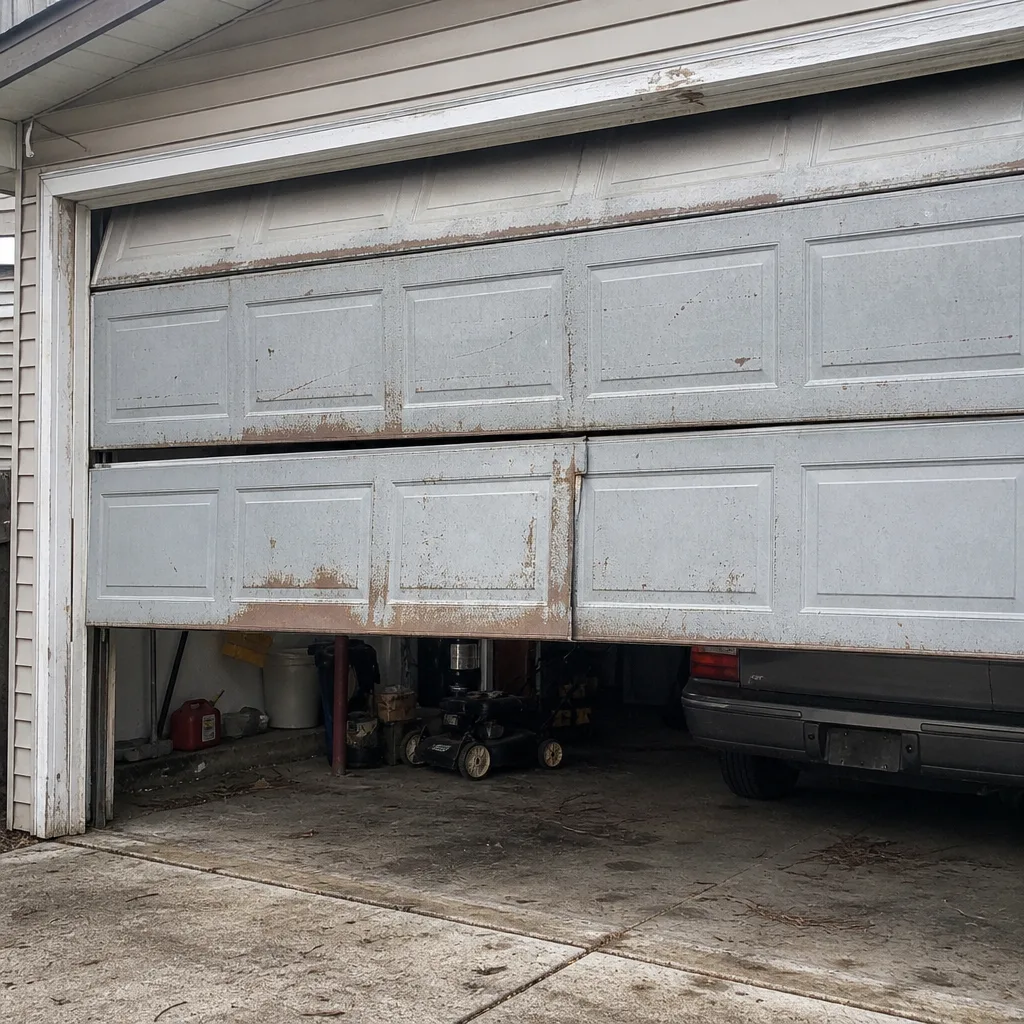 Before
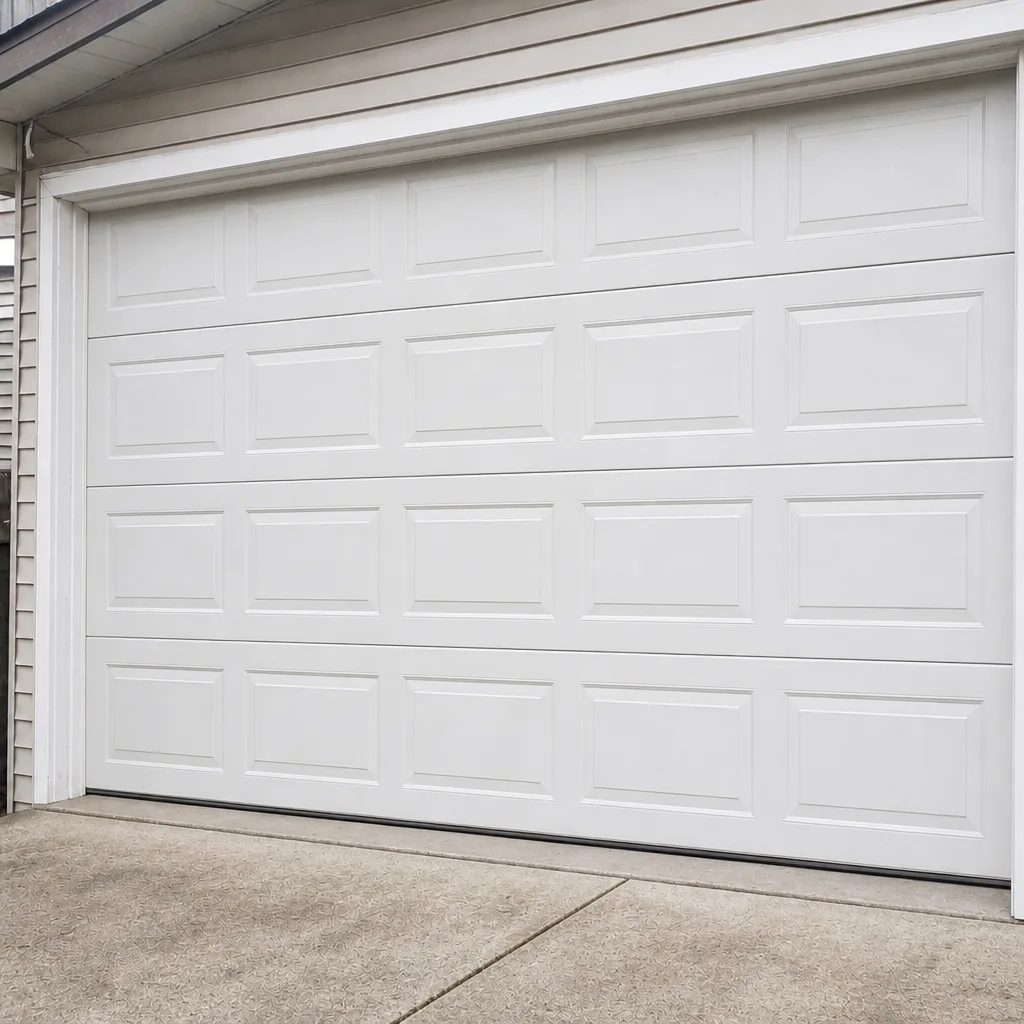 After
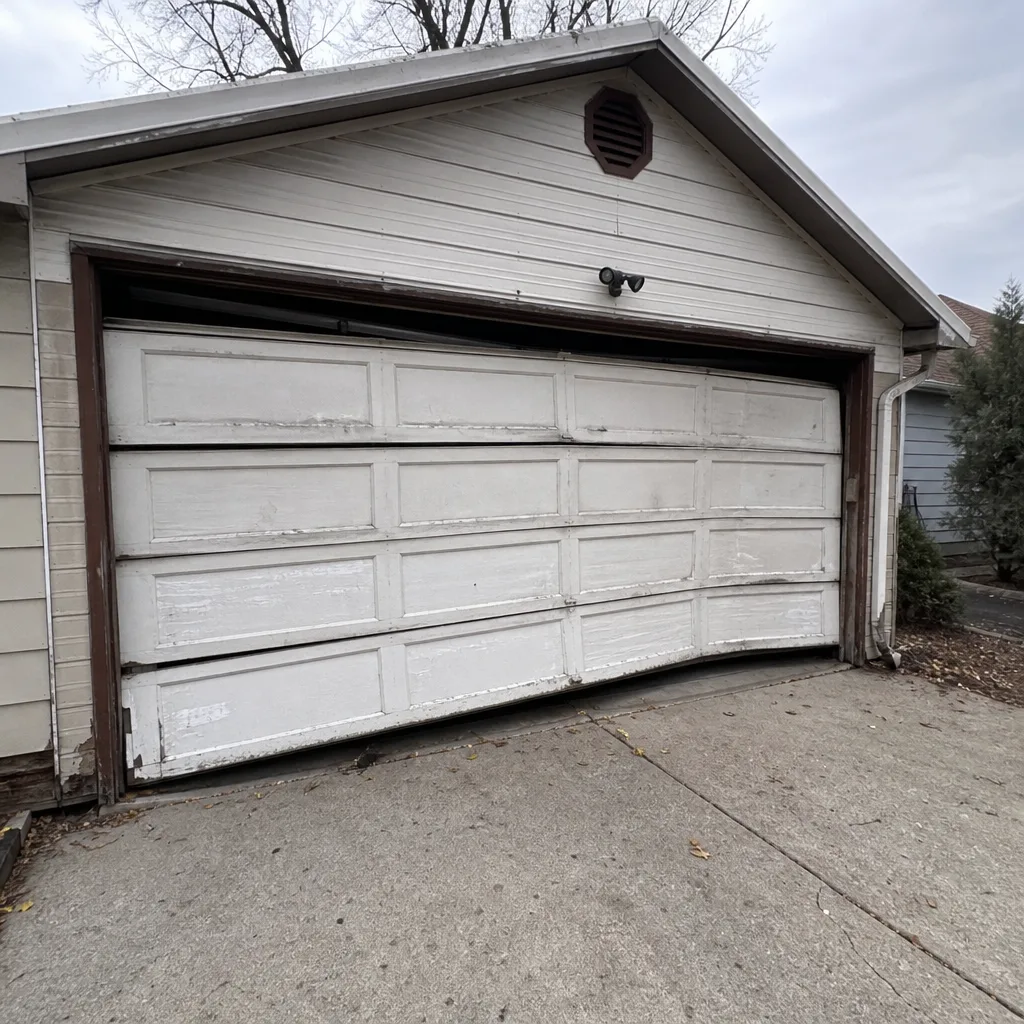 Before
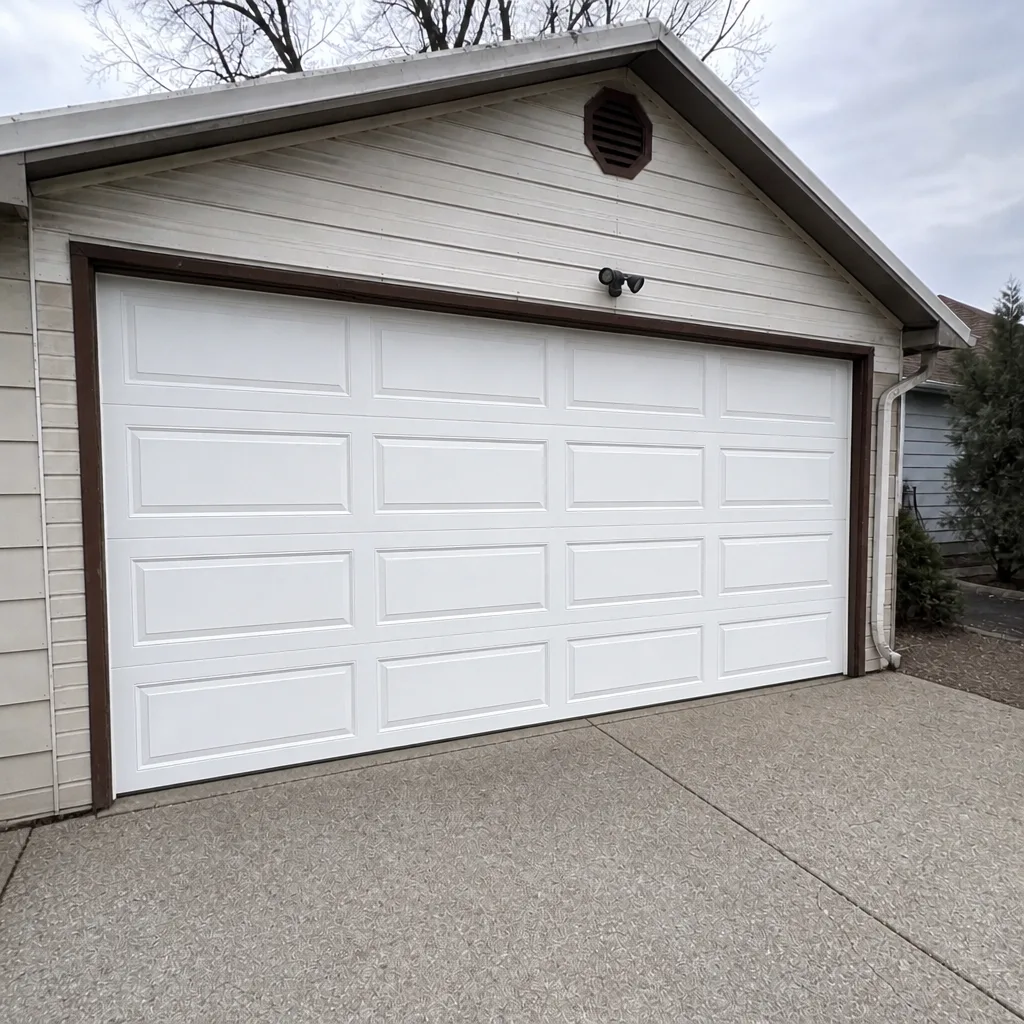 After
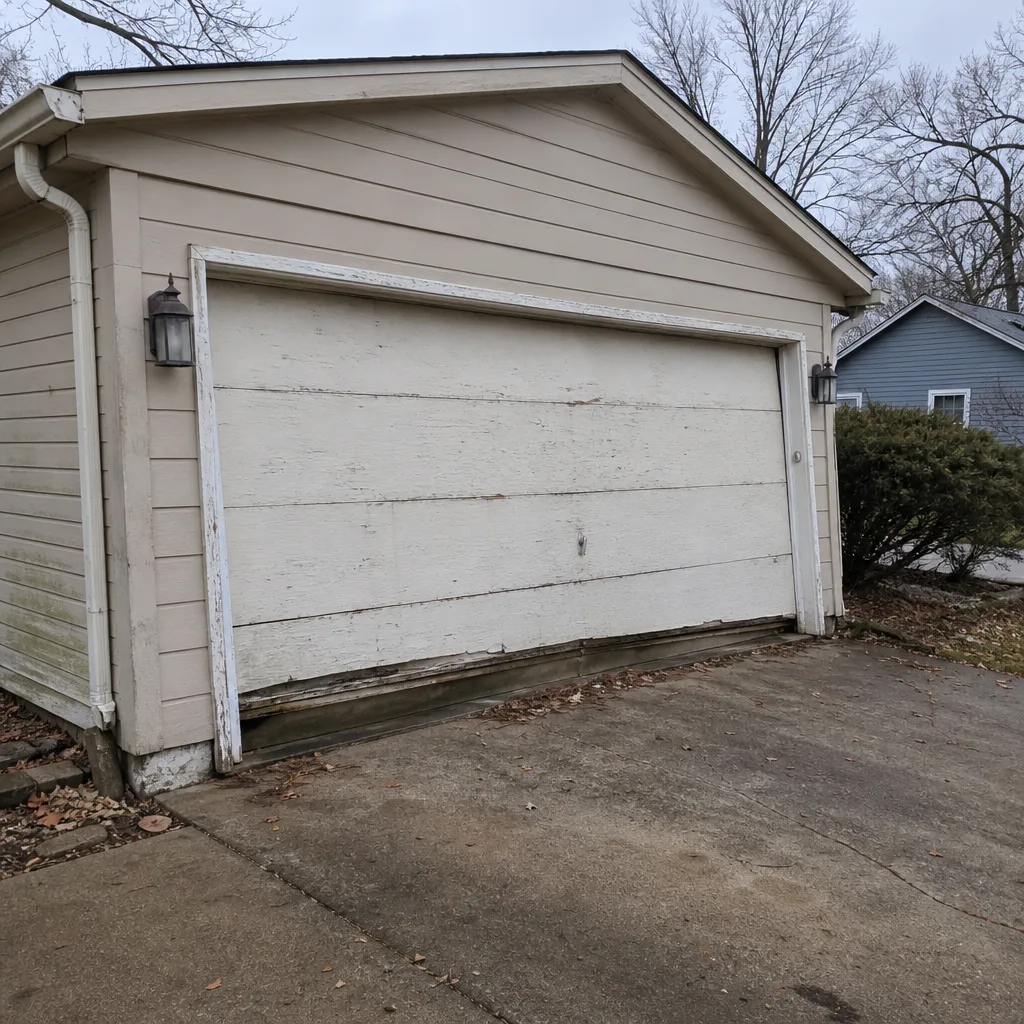 Before
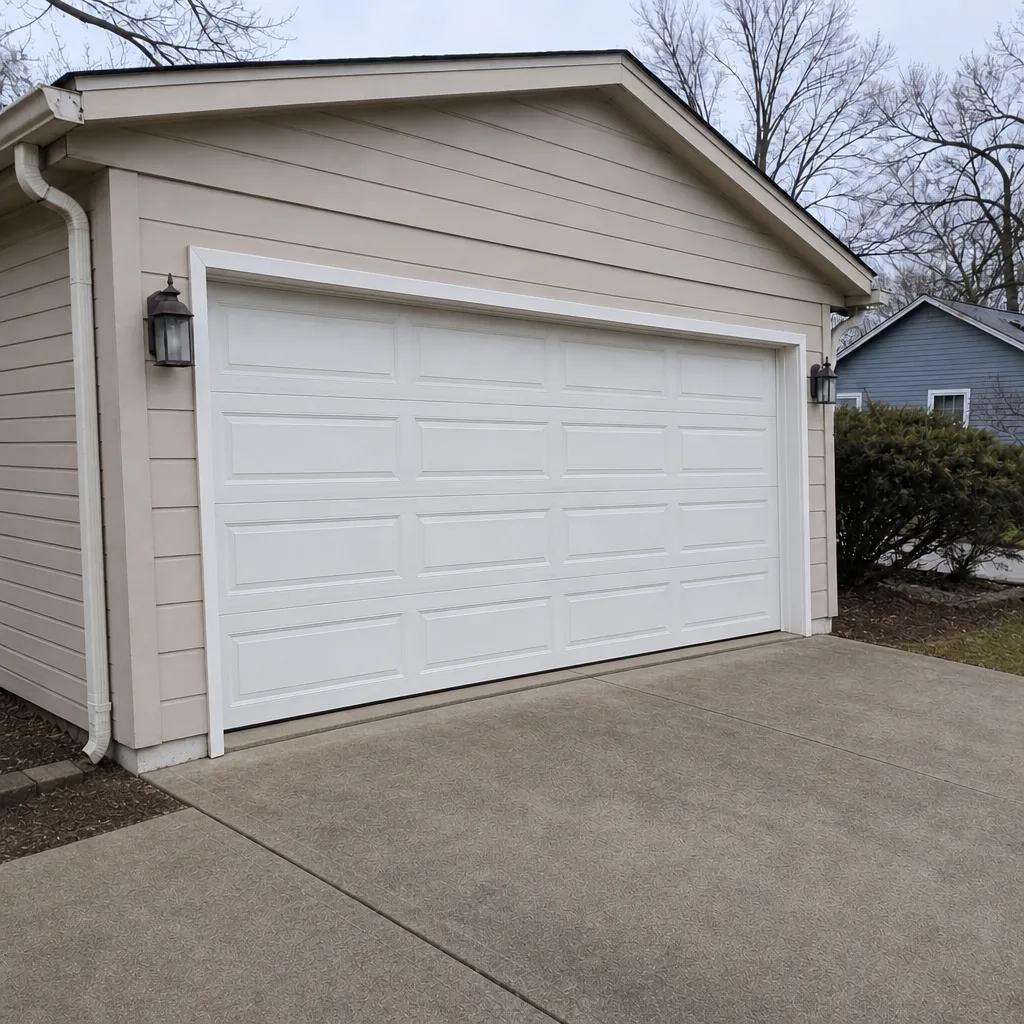 After
When to Call a Professional
Call a professional if the door has stopped working entirely, if a spring has broken, if the door is hanging unlevel, if a cable looks frayed or has come loose, if the door reverses despite clean sensors, if the motor runs but the door doesn’t move, or if the door has dropped or closed unexpectedly. These are the situations where a trained technician with the right tools makes the job both faster and safer. Eagan Garage Door Repair Pros offers free estimates in Eagan and can diagnose any brand in the category. Call (877) 492-2497; we answer 24/7, and fast dispatch runs 7am to 7pm, Sunday through Friday.
Frequently Asked Questions
Cold-weather reversing and binding are the most common garage door problems in Eagan, usually caused by a stiff bottom seal, a binding track, or a sticky force limit rather than a mechanical failure. In our experience, these show up first in late fall and again after the first hard freeze. A quick balance test and a look at the sensor eyes typically narrows it down. Call (877) 492-2497 for an exact quote; estimates are free.
If the opener runs but the door doesn’t move, you likely have a mechanical failure, most often a broken spring or a cable issue, and the opener is fine. Disconnect the door using the emergency release and try lifting it by hand. If it’s heavy or won’t stay up, call a professional and don’t keep running the opener. Call (877) 492-2497 for a free estimate.
Your door reverses before closing in winter because the opener’s force sensor is reading extra resistance from a stiff seal or a cold, tight track, not necessarily a bad sensor. Clean the sensor lenses, check for ice at the floor, and test door balance by hand. If it still reverses, a technician can adjust the force limit and find the underlying cause. Call (877) 492-2497 for a free estimate.
No, replacing a garage door spring yourself is not safe. Torsion and extension springs are under extreme tension, and releasing them incorrectly can cause serious injury. Call a professional for spring repair even if the door is stuck open and seems stable. Call (877) 492-2497 for a free estimate on spring repair.
Before calling a garage door technician, check the opener’s power outlet, the remote batteries, the sensor lenses for dirt or frost, and any physical obstruction at the floor line. Also try lifting the door by hand to see if it’s heavy. Those four checks solve a lot of problems for free before any service call. Call (877) 492-2497 for a free estimate if they don’t resolve it.
The cost of garage door repair in Eagan depends on the part and the failure category, and we give a written estimate before any work starts. Spring, cable, roller, and opener repairs are priced per job based on what’s actually broken. The written quote sets the final price, so there’s no ambiguity once work begins. Call (877) 492-2497 for an exact quote; estimates are free.
The Bottom Line
Almost every garage door problem is one of five categories: springs and cables, rollers and track, opener and controls, safety sensors, or balance and alignment. Sort your symptom into the right category and you’ll know immediately whether it’s a ten-minute check or a call to a professional. The sounds your door makes tell you the same story before it fails. Stay out of spring and cable work, keep the bottom seal and sensors clean before winter, and don’t run the opener on a door that’s clearly broken. If you’re unsure, call. Eagan Garage Door Repair Pros offers free estimates, and we’ll tell you straight what’s wrong and what it takes to fix it.
Call (877) 492-2497 for a free estimate. We answer 24/7, with fast dispatch from 7am to 7pm, Sunday through Friday.
Written by the team at Eagan Garage Door Repair Pros.