
Last updated November 22, 2026
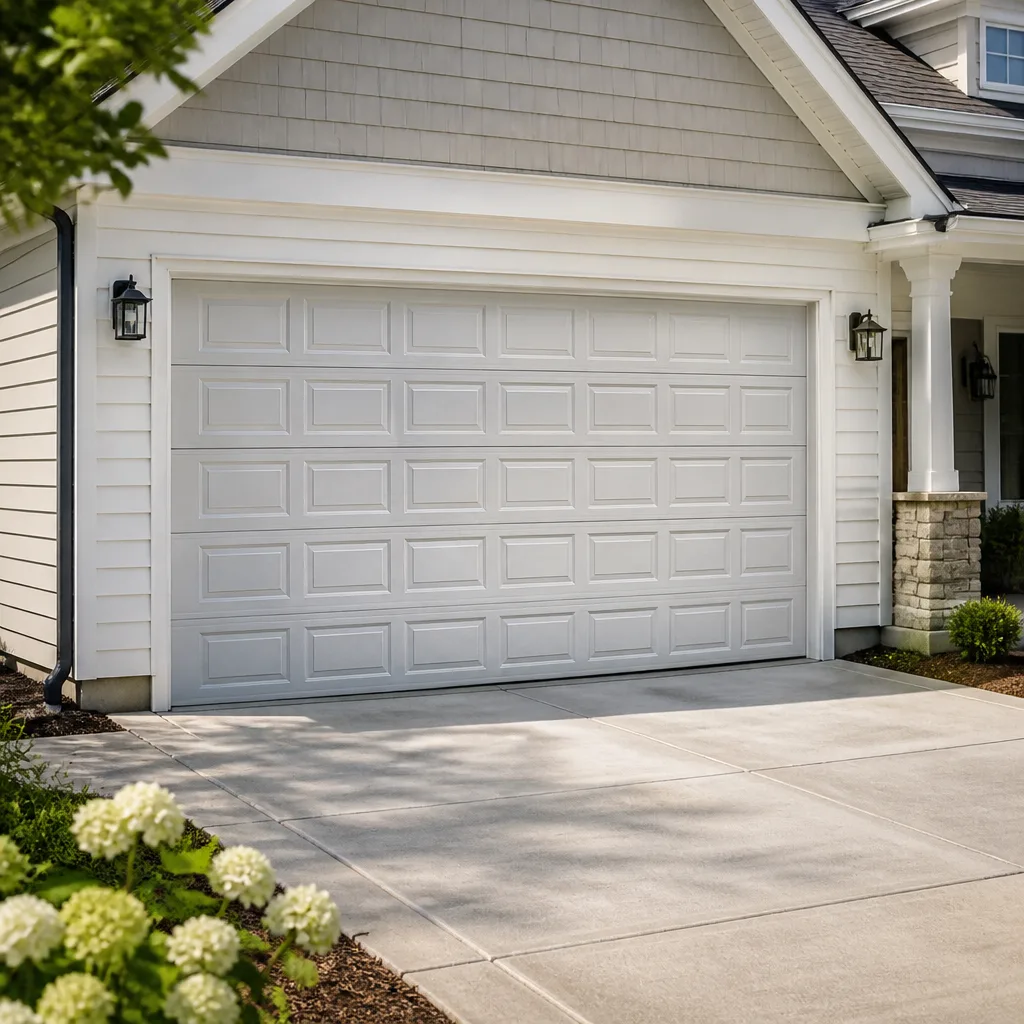 Raised-panel steel
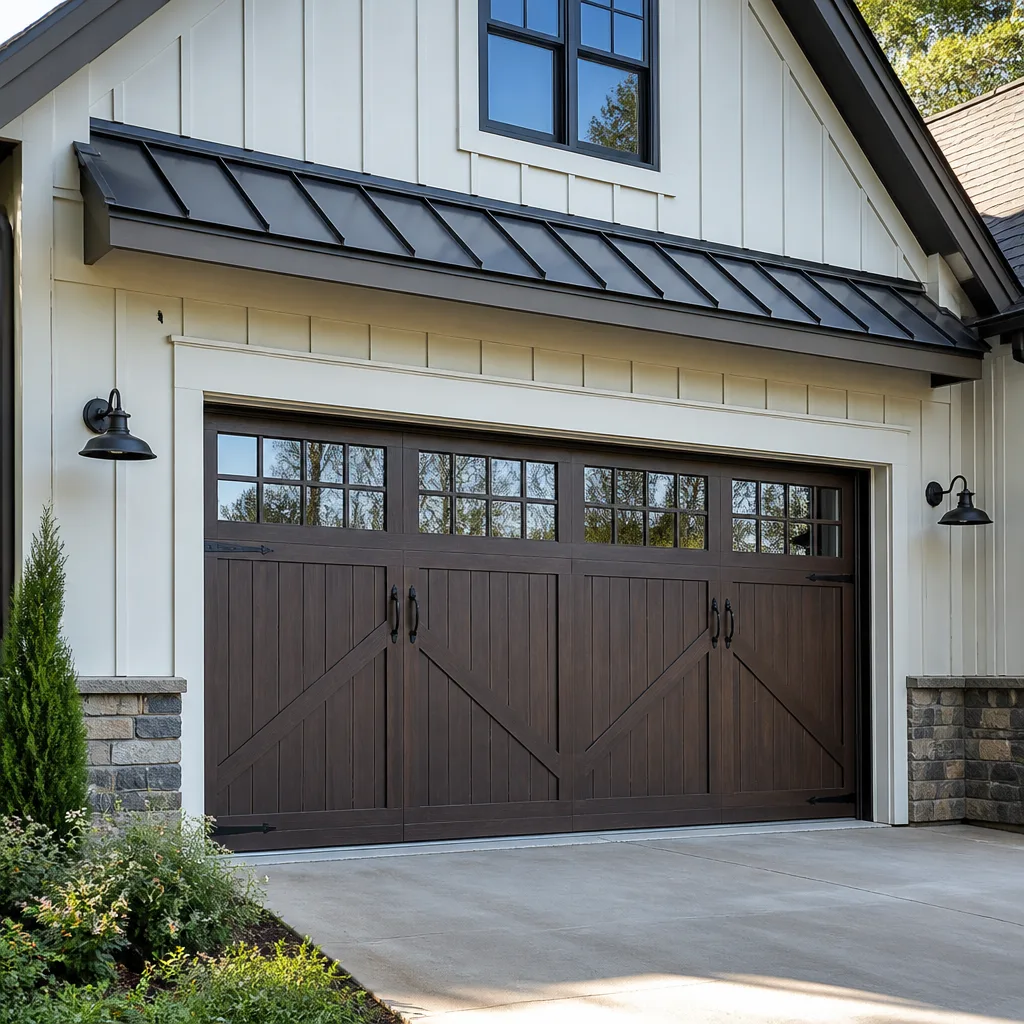 Carriage house
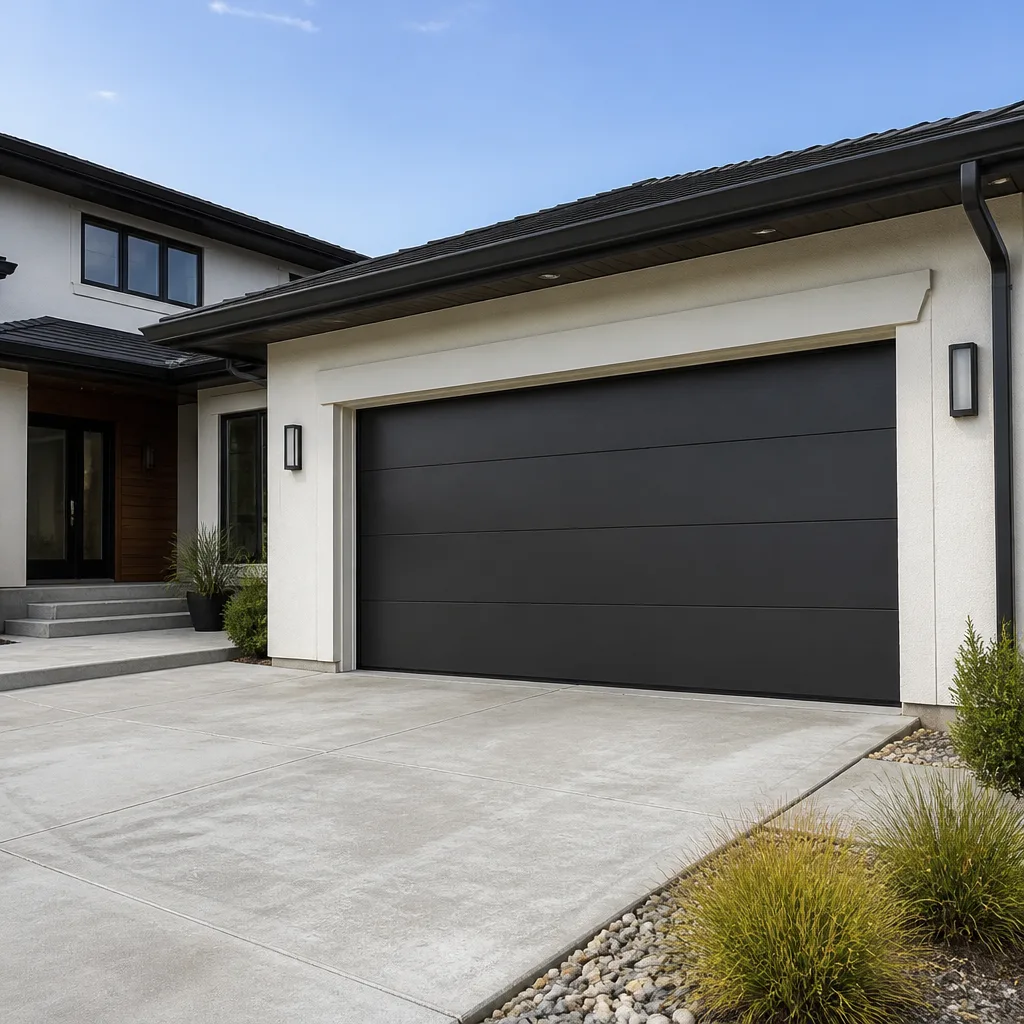 Modern flush
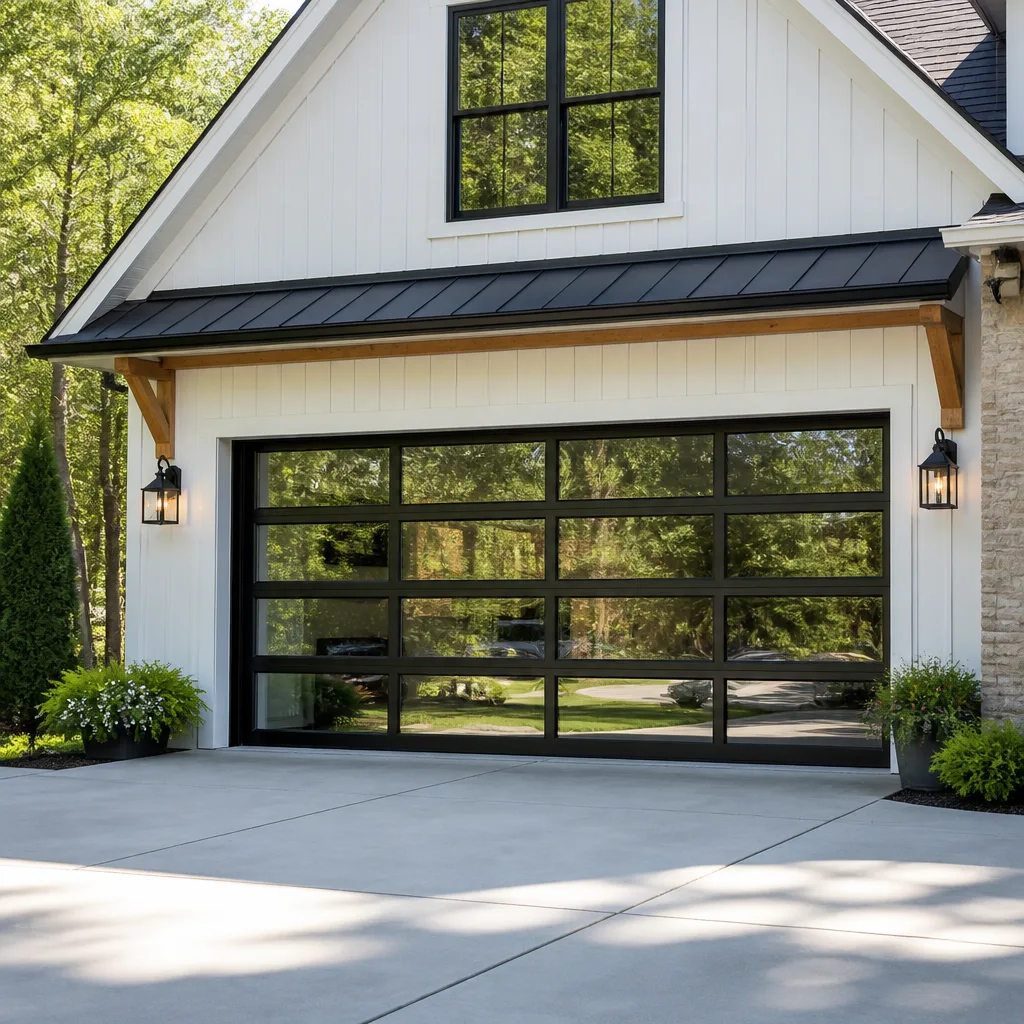 Full-view glass
 LiftMaster openers
 Chamberlain openers
Full 25-point door and opener safety check with every visit - springs, cables, rollers, tracks, and your LiftMaster or Chamberlain opener included
You get a price before we start. It does not change when the pro arrives.
Get your free estimateGarage Door Repair Maintenance Schedule: What to Do and When
The number one cause of spring failure in Minnesota isn’t age. It’s lubrication that went on in August and hardened solid by January. Most maintenance advice you’ll find online was written for a mild climate with no real winter, so it tells you to “check your door twice a year” and calls it done. That schedule doesn’t fit Eagan. Freeze-thaw cycles, road salt tracked into the tracks, and stretches of sub-zero cold each demand different tasks at different points on the calendar. This guide maps a full 12-month schedule for Eagan homeowners, from what to lubricate and when to the 60-second balance test worth doing twice a year.
Quick Answer
A garage door in Eagan needs a light monthly check, a balance and lubrication routine twice a year (late fall and early spring), and a full inspection of springs, cables, rollers and weatherstripping once a year before the first hard freeze. The single most important timing rule: lubricate in October, not August, so the grease is still soft when temperatures drop below zero.
Styles & brands we work with
- Raised-panel steel
- Carriage house
- Modern flush
- Full-view glass
- LiftMaster openers
- Chamberlain openers
Table of Contents
- Why a Minnesota Maintenance Schedule Is Different
- The Eagan Month-by-Month Maintenance Calendar
- Which Lubricants Survive a Minnesota Winter
- The 60-Second Balance Test
- Weatherstripping and Heat Loss in Dakota County
- Components With Service Intervals You Probably Never Knew About
- Brand-Specific Maintenance Notes
- Common Mistakes to Avoid
Why a Minnesota Maintenance Schedule Is Different
Generic garage door advice assumes temperatures that hover above freezing. Eagan doesn’t cooperate. A door here moves through repeated freeze-thaw cycles from late fall into early spring, and that cycle does more wear than steady cold ever would. Water gets into a track, freezes, expands, and then melts again. Multiply that by a whole winter and small gaps turn into misaligned panels.
Road treatment is the second factor. When salt and grit get tracked onto the garage floor and up into the rollers and hinges, they act like sandpaper on moving parts. A door that runs clean in a dry climate may grind here within a single season if the tracks never get wiped down.
Then there’s the cold itself. Steel contracts. Springs, which are already under heavy tension, behave differently at zero degrees than they do at seventy. Lubricant thickens. A spring that was properly tensioned in September can feel stiff and sluggish by January if the grease on it has turned to wax.
What this means for a homeowner is simple: the generic “check it in spring and fall” advice is a starting point, not a schedule. The tasks below are timed to the seasons Eagan actually has. Some of them you can handle yourself in a few minutes. Others, especially anything involving springs or cables, are jobs for a trained professional because those components store enough energy to cause serious injury. We’ll flag the line clearly as we go.
If at any point you’d rather have a set of eyes on the whole system, our Eagan Garage Door Repair Pros team can walk the door with you and tell you exactly what needs attention and what can wait.
The Eagan Month-by-Month Maintenance Calendar
Here’s the schedule we’d hand a neighbor. It’s built around Eagan’s seasonal shifts, not the calendar on a manufacturer’s brochure. Print it, stick it inside the garage door, and check things off as you go.
Late Fall (October through November): The Big One
- Lubricate everything that moves – hinges, rollers, the torsion spring (sparingly), and the opener’s rail and chain. This is the most important timing of the year, and we’ll explain why in the lubricant section.
- Run the balance test (see the 60-second test below). A door that’s out of balance now will strain the opener all winter.
- Inspect the bottom seal and side weatherstripping for cracks before the cold makes them worse.
- Clear the tracks of grit and any summer debris, then wipe them with a dry cloth. Don’t grease the tracks themselves.
- Test the safety reverse by placing a roll of paper towels under the door and confirming it reverses on contact. Do this before the cold makes you reluctant to stand in the garage.
- Check the opener’s force settings if the door feels like it’s straining. On a LiftMaster or Chamberlain unit, the manual shows where the adjustment screws are.
Winter (December through February): Light Monthly Checks
- Listen to the door as it opens and closes. New grinding or popping is worth investigating before it becomes a repair.
- Wipe salt and grit off the bottom seal and the lower tracks after a stretch of bad road conditions.
- Watch for frost or ice buildup in the tracks. If the door sticks, don’t force it; the opener’s gears will thank you.
- Keep the area around the door clear so snow and ice don’t pack against the bottom seal.
Early Spring (March through April): The Thaw Check
- Re-lubricate the moving parts. Winter has thinned and dried out the fall coat.
- Run the balance test again. Freeze-thaw cycles can shift tension and alignment.
- Inspect for rust on hinges, rollers and the bottom panel, especially if your door faces the street where road spray lands.
- Check the weatherstripping again. A winter of contraction can open gaps you didn’t have in October.
Summer (May through September): The Easy Stretch
- Do a visual once-over: springs, cables, brackets, and the opener’s mounting hardware.
- Clean and re-lubricate if your garage runs hot and dry.
- This is the best window to schedule a full professional inspection or a tune-up, since nothing is failing under winter stress.
If any of these checks turn up a problem you can’t safely handle, that’s where a garage door repair visit makes sense. The calendar is about prevention; the repair is about getting things back to normal.
Which Lubricants Survive a Minnesota Winter
Here’s the misconception that costs more springs than any other: thinking any grease will do. In August, a general-purpose petroleum grease spreads beautifully. By January at zero degrees, that same grease has thickened into something closer to candle wax. It stops protecting the moving parts at exactly the moment they need it most. That’s the pattern behind a huge share of the cold-weather spring failures we see around Eagan.
What holds up:
- Silicone-based or white lithium spray – stays flexible in the cold and doesn’t attract grit the way heavier grease does.
- Dedicated garage door lubricant – formulated for exactly this job and rated for low-temperature use.
- Lightweight synthetic spray – a reasonable substitute if you can’t find a dedicated product.
What causes trouble:
- Heavy petroleum or chassis grease – too thick when cold, and it collects grit that wears everything it touches.
- WD-40 or similar solvent sprays used as a lubricant – great for loosening a stuck bolt, poor for long-term protection. It evaporates and leaves moving parts dry.
- Any grease applied to the tracks themselves – the tracks are meant to stay mostly clean and dry. Grease turns them into a grit magnet.
Apply a light coat to the hinges, roller stems and the torsion spring, and wipe off excess. A little goes a long way. The goal is a thin protective film that stays pliable through the winter, not a thick layer that sets up hard. If you’re not sure what’s currently on your springs and rollers, a technician can tell you at a glance whether it’s the right product for a Minnesota winter.
The 60-Second Balance Test
This is the single most valuable thing you can do twice a year, and it takes about a minute. An unbalanced door puts extra strain on the opener, wears out springs faster, and is one of the early warning signs that something is about to fail. The test tells you whether your springs and cables are doing their share of the lifting.
How to do it:
- Disconnect the opener. Pull the release cord (usually the red handle) so the door moves by hand and the opener motor is out of the picture.
- Raise the door halfway. Lift it by hand to roughly the midpoint of its travel and stop.
- Let go and watch. A properly balanced door will stay put, or drift only slightly.
- Reconnect the opener when you’re done, and confirm it re-engages.
How to read the result:
- Door holds its position or drifts slowly – balanced. Good.
- Door slides down on its own – the springs aren’t lifting enough (or a cable is loose). This is a spring or tension issue and should be looked at before it fails completely.
- Door rises on its own – the springs are too tight or over-tensioned. Also a professional fix.
- Door binds or feels stiff – likely a roller, track, or lubrication issue, sometimes all three.
Important: the balance test tells you whether something is off. It does not mean you should adjust the springs yourself. Torsion springs and their cables hold enormous stored energy, and adjusting them without training is one of the most dangerous things a homeowner can attempt. If the test points to a spring problem, that’s a call for a professional, and it’s the kind of job our garage door spring repair service handles as a dedicated specialty rather than a patch job.
Do the test in late fall (before the winter strain) and again in early spring (after it). The results from one season to the next tell you whether things are holding steady or drifting.
Weatherstripping and Heat Loss in Dakota County
A cracked bottom seal on a garage door is easy to ignore and expensive to keep. Every gap between the seal and the floor is a place where heated air escapes and cold Dakota County air gets in. In a winter here, that shows up on the heating bill and in how cold the rooms above and beside the garage feel. The seal is the door’s weatherstripping, and it does the same job a window seal does: it closes the gap that would otherwise leak.
What to check, and when:
- The bottom seal – run your hand along the underside of the door with it closed. Feel for cracks, brittleness, or places where it’s compressed flat. Replace it before the cold sets in.
- The side and top weatherstripping – look for gaps, tears, and pieces that have pulled away from the frame. These are easy to miss because they’re at the edges.
- The threshold – check whether the door sits evenly against the floor or whether one end lifts. An uneven floor is a seal problem even with a new gasket.
Timing matters here more than with any other component. Weatherstripping is flexible in warm weather and stiff in cold. Inspecting and replacing it in the fall, while it’s still pliable, means it seals tight when you need it most. Wait until January and you’re fighting the temperature to get a good seal.
If your garage is attached and you heat it, the payoff on a good seal is real. If it’s unheated, a sound seal still keeps out drafts, snow, and road grit, and it protects the door itself from moisture that leads to rust. It’s one of the lowest-cost maintenance items on the list and one of the easiest to put off. Don’t.
Components With Service Intervals You Probably Never Knew About
Most homeowners know to watch the springs. Fewer know that several other parts of a garage door have their own service intervals, usually buried in the manufacturer’s manual and never mentioned again. These are the parts that quietly wear out and then surprise you. Here’s what to watch and when.
Rollers
Rollers carry the door up and down thousands of times over their life. They wear out slowly, and worn rollers cause the door to rattle, jump, and strain the opener. The interval depends on how often you use the door, but the practical habit is to inspect them at the same time as your twice-a-year lubrication routine. Look for flat spots, cracks in the wheel, and wobble. Steel rollers last longer but run louder; nylon rollers run quieter but wear faster. Either way, they’re an inexpensive replacement that saves wear on everything else.
Cables
The lift cables are under high tension and run over pulleys at the top corners. They don’t usually fail without warning; they fray first. Check for broken strands, especially near the drum at the top of the door. Cables are a professional inspection item, not a homeowner one, because of the tension involved. Have them looked at as part of an annual inspection and any time you notice a frayed strand or a door that seems to pull unevenly.
Drums
The cable drums are the spools at the top of the door where the cables wind. They wear where the cable rubs, and a worn drum can let the cable jump its track. They’re inspected alongside the cables and springs.
Hinges and Brackets
Hinges wear at the pivot points, and the brackets that hold the tracks can loosen over time. Loose brackets are one of the more common causes of a door that runs rough. Check them during your spring and fall routines.
Opener Components
The opener has its own wear items: the drive belt or chain, the gear assembly on older units, and the safety sensors. Follow the interval in the manual, and check the sensors monthly by confirming the door reverses when something blocks the beam. Our garage door opener repair service sees plenty of openers that failed simply because the belt or gear wore out and nobody knew to look.
Brand-Specific Maintenance Notes
Maintenance timing is universal, but the specifics differ by brand. Knowing what’s under your hood makes the check faster and the diagnosis sharper. We’re factory-familiar with eight major brands, and a few of them come up constantly in Eagan garages.
Clopay and Amarr doors are among the most common steel doors we see. Their maintenance is mostly about the panels and hardware: watch for rust along the bottom edge and keep the hinges and rollers lubricated. Clopay’s manuals give specific hardware intervals worth checking against your model.
LiftMaster and Chamberlain openers (both made by the same parent company) have belt and chain drive models with their own service intervals. The safety sensor and force adjustment checks in the manual are worth following, and knowing how your specific unit behaves makes a diagnosis faster when something goes wrong.
Genie openers show up often on older doors, and their gear and belt wear patterns are worth knowing. A Genie that’s getting loud is usually telling you something specific.
Wayne Dalton, Craftsman and Raynor round out the eight, and the same principle applies across all of them: the manufacturer’s manual tells you the intervals, and familiarity with the model saves diagnostic time. If you’re not sure what intervals apply to your system, that’s a quick conversation, not a diagnostic runaround.
Common Mistakes to Avoid
- Lubricating in August instead of October. The coat hardens before the cold arrives, defeating the purpose. Time it to late fall.
- Greasing the tracks. Tracks are meant to stay clean and dry. Grease turns them into grit magnets that wear the rollers.
- Ignoring the balance test. A door that’s quietly out of balance strains the opener and springs all winter. A minute twice a year catches it early.
- Treating a cracked bottom seal as cosmetic. It’s a heat-loss and draft problem in a Dakota County winter, and it’s cheap to fix early.
- Attempting to adjust torsion springs yourself. This is the most dangerous mistake on the list. Springs and cables store enough energy to cause serious injury. Leave them to a trained professional.
- Skipping the safety reverse check. It’s a two-minute test that confirms the door will stop for a child, pet, or object in its path. Do it monthly.
- Waiting for a failure to schedule service. A spring that fails in January means a cold garage and a rushed repair. A fall inspection catches it while it’s still just a worn spring.
When to Call a Professional
Some maintenance is a homeowner job. Some of it isn’t, and the line is clear. Call a professional when the balance test shows the door won’t hold position, when you see a frayed cable or a worn drum, when the door grinds, pops, or moves unevenly, when the opener strains or reverses unexpectedly, or when a spring fails. Springs and cables are the components that cause serious injuries, and a trained technician is the right person for them. Our technicians have up to 14 years of experience, and we handle springs as a dedicated specialty. Eagan Garage Door Repair Pros offers free estimates in Eagan. Call (877) 492-2497. We answer 24/7. Fast dispatch from 7am to 7pm, Sunday through Friday.
See the difference
 Before
 After
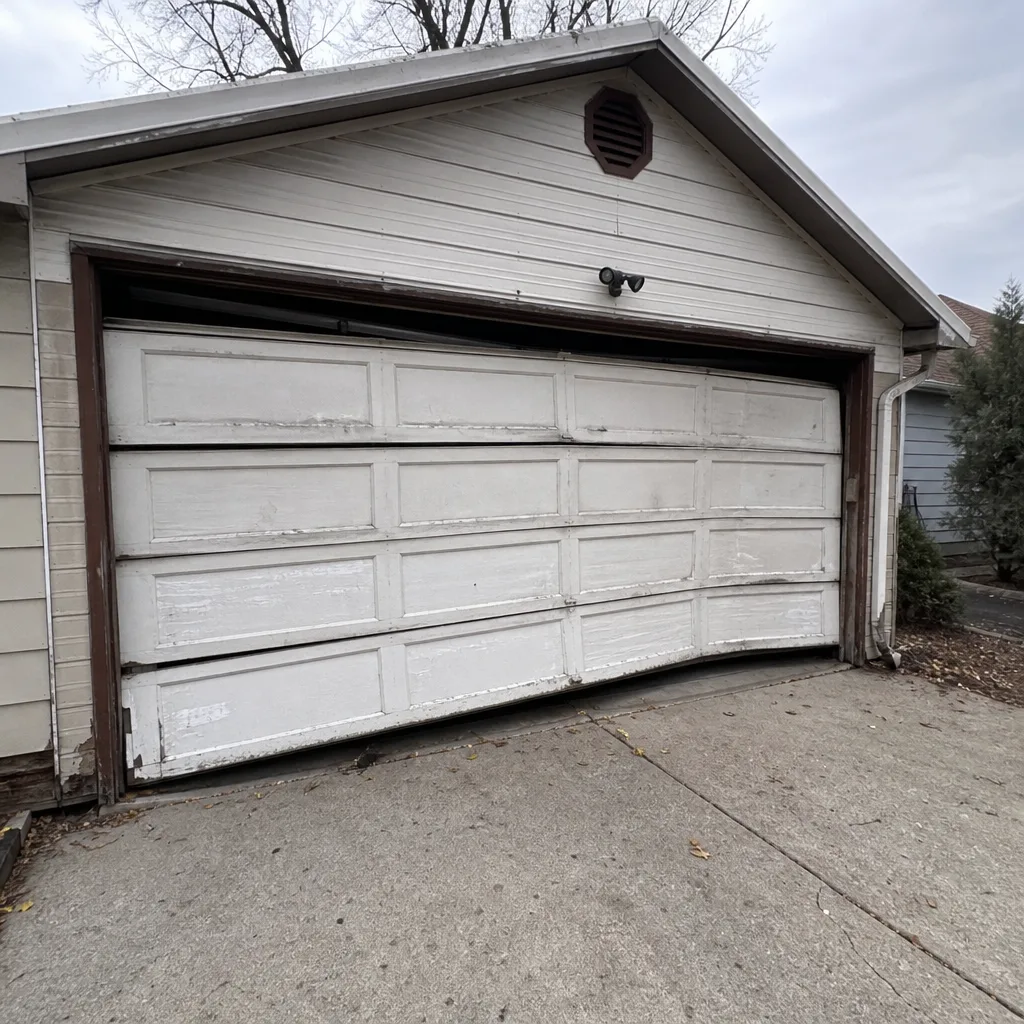 Before
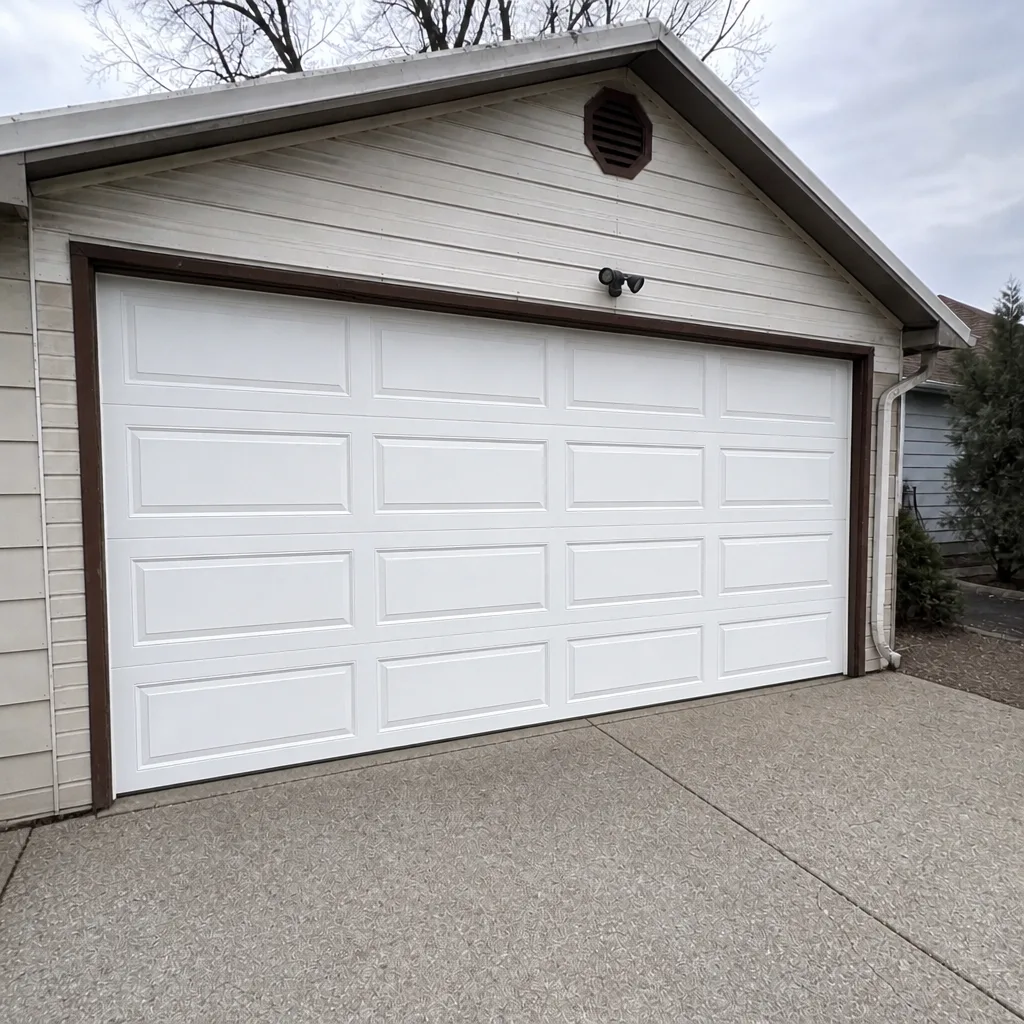 After
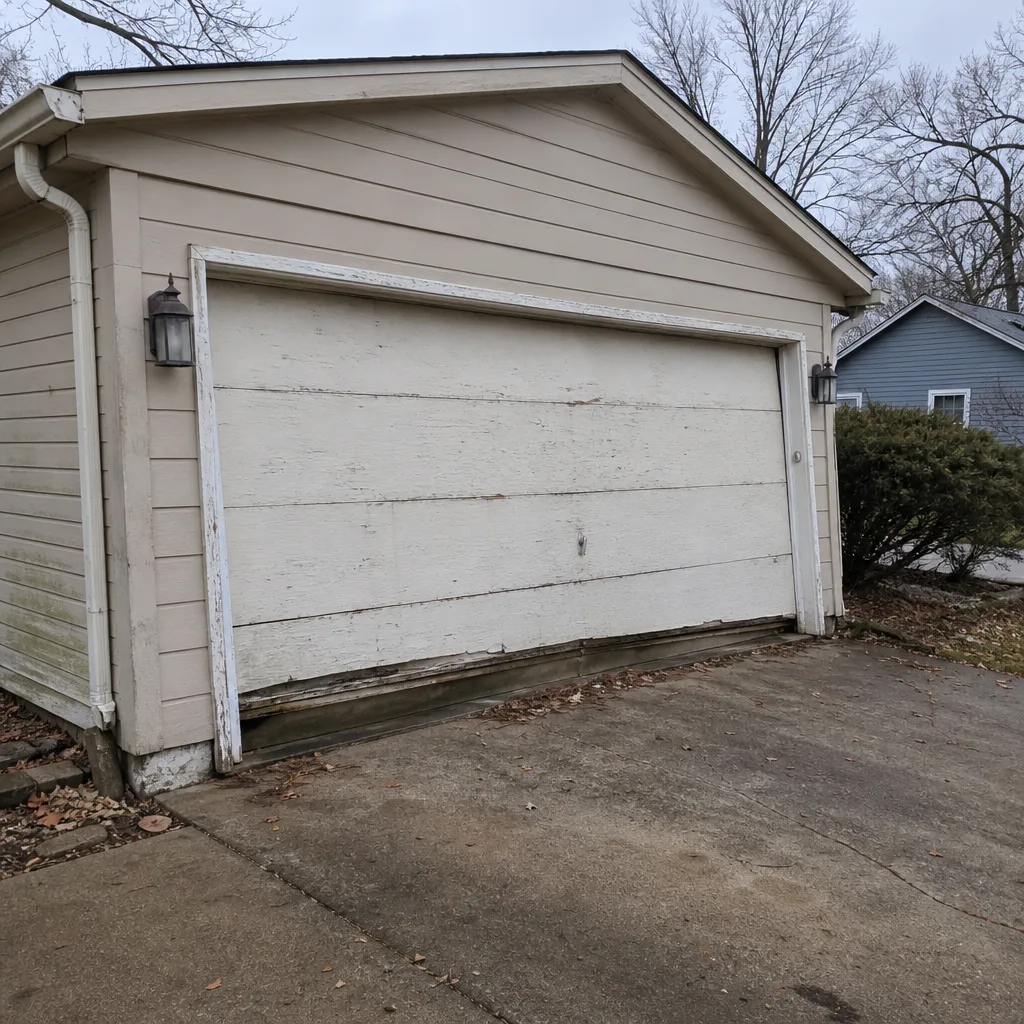 Before
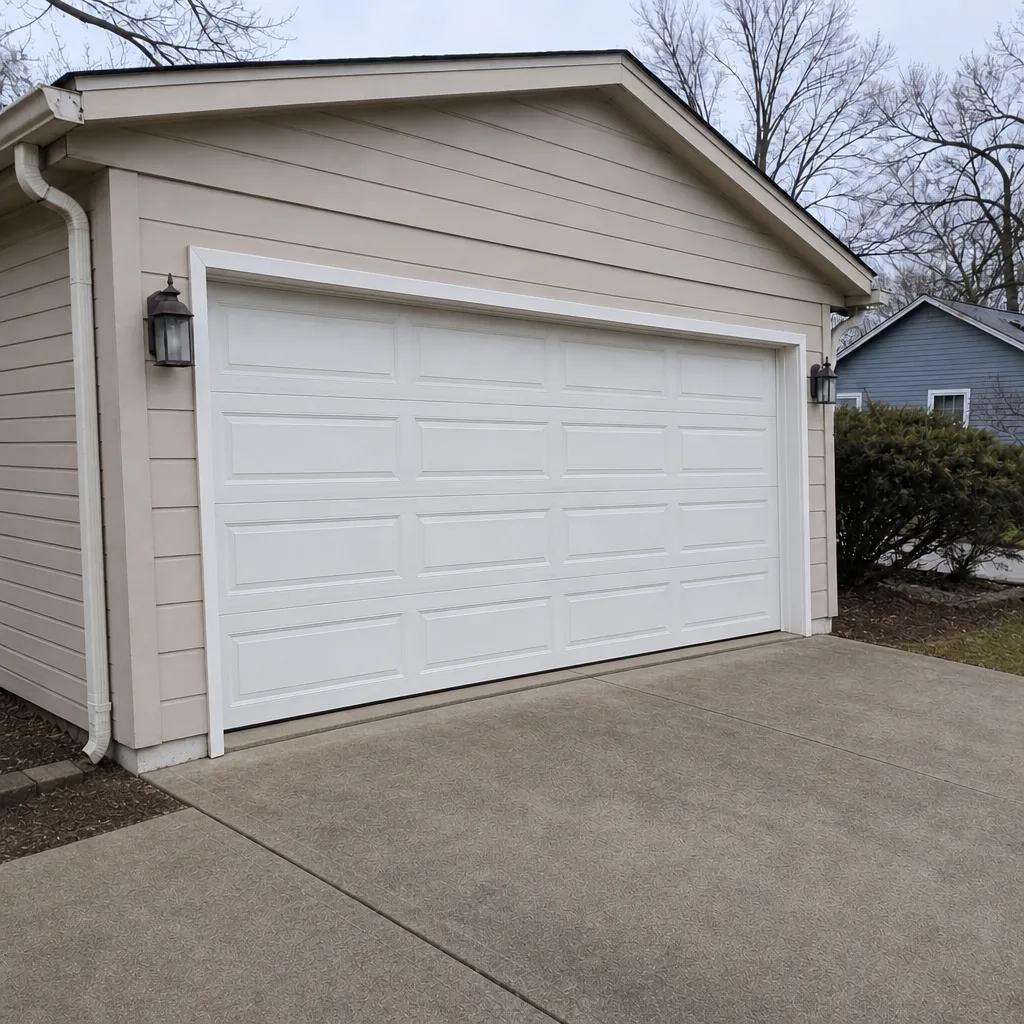 After
Frequently Asked Questions
Twice a year for lubrication and the balance test, plus one full inspection in the fall before the first hard freeze. Eagan’s freeze-thaw cycles and road salt make the fall inspection the most important item on the calendar.
A silicone-based or white lithium spray, or a dedicated garage door lubricant rated for cold. Heavy petroleum grease thickens into wax at zero degrees and stops protecting the parts. Call (877) 492-2497 if you want to know what’s right for your specific system.
No. Torsion springs and cables hold enormous stored energy and can cause serious injury if handled incorrectly. This is a job for a trained professional, not a homeowner project. If your balance test points to a spring problem, call us.
Disconnect the opener, raise the door halfway, and let go. If it slides down or rises on its own, it’s out of balance. The test takes about a minute and is worth doing in late fall and early spring.
Yes. A cracked or compressed bottom seal lets heated air escape and cold air in, and in a Dakota County winter that shows up on the bill. Inspect the seal in the fall while it’s still flexible, and replace it before the cold.
We’re factory-familiar with LiftMaster, Chamberlain, Genie, Clopay, Amarr, Wayne Dalton, Craftsman, and Raynor. Chances are we’ve worked on your exact system. Call (877) 492-2497 and we’ll confirm.
The Bottom Line
A maintenance schedule that fits Eagan looks like this: lubricate in late fall (not August), run the balance test twice a year, inspect the weatherstripping before the cold, and know the service intervals for rollers, cables, drums, and your opener. Leave springs and cables to a professional, and don’t wait for a failure to schedule an inspection. The tasks themselves are simple and cheap; the timing is what makes them work. Done on schedule, a door in Eagan gets through a Minnesota winter without the surprises that come from a hardened coat of August grease and a spring that ran all winter unbalanced.
Contact
If you’d like a professional to walk your door through this schedule, we’re here. We work on the brands you own, handle springs as a dedicated specialty, and can get your door back up and running. Eagan Garage Door Repair Pros offers free estimates. Call (877) 492-2497. We answer 24/7. Fast dispatch from 7am to 7pm, Sunday through Friday.
Written by the team at Eagan Garage Door Repair Pros.