
Last updated November 21, 2026
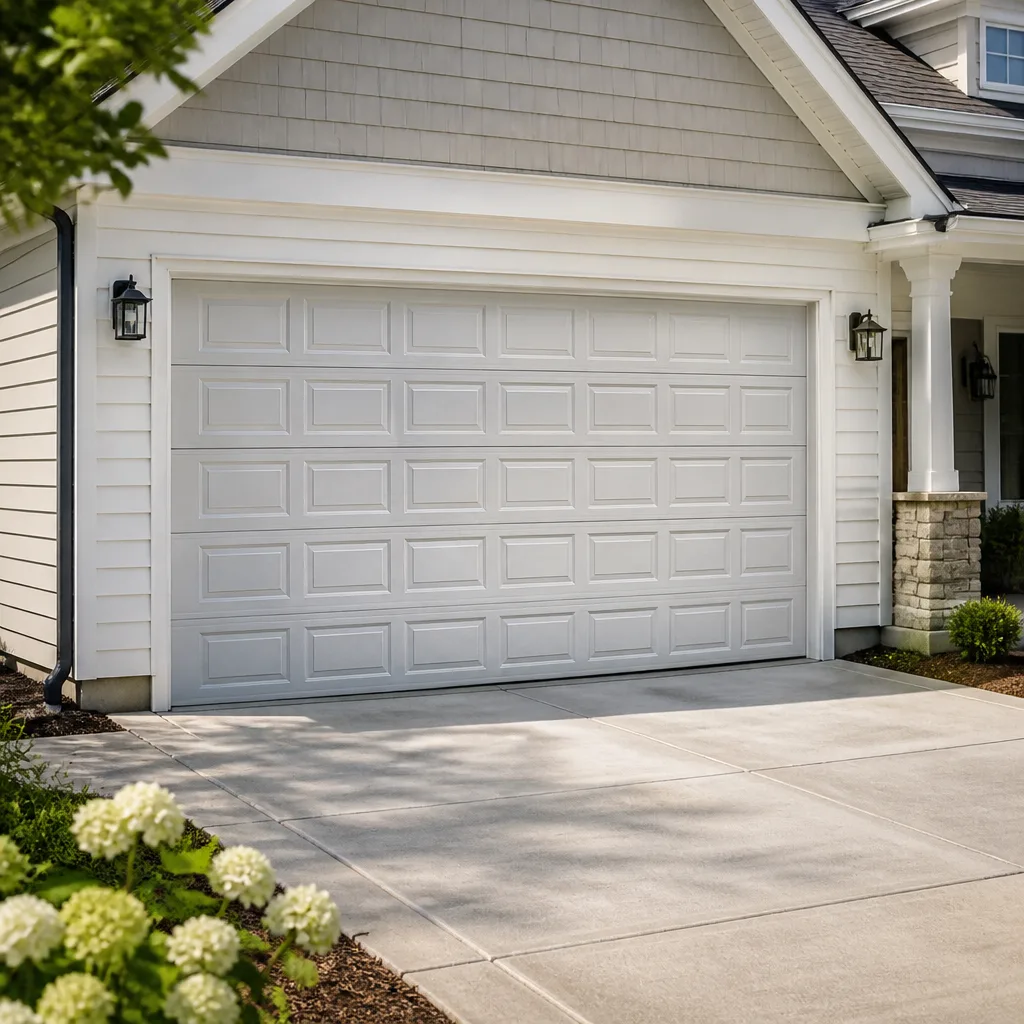 Raised-panel steel
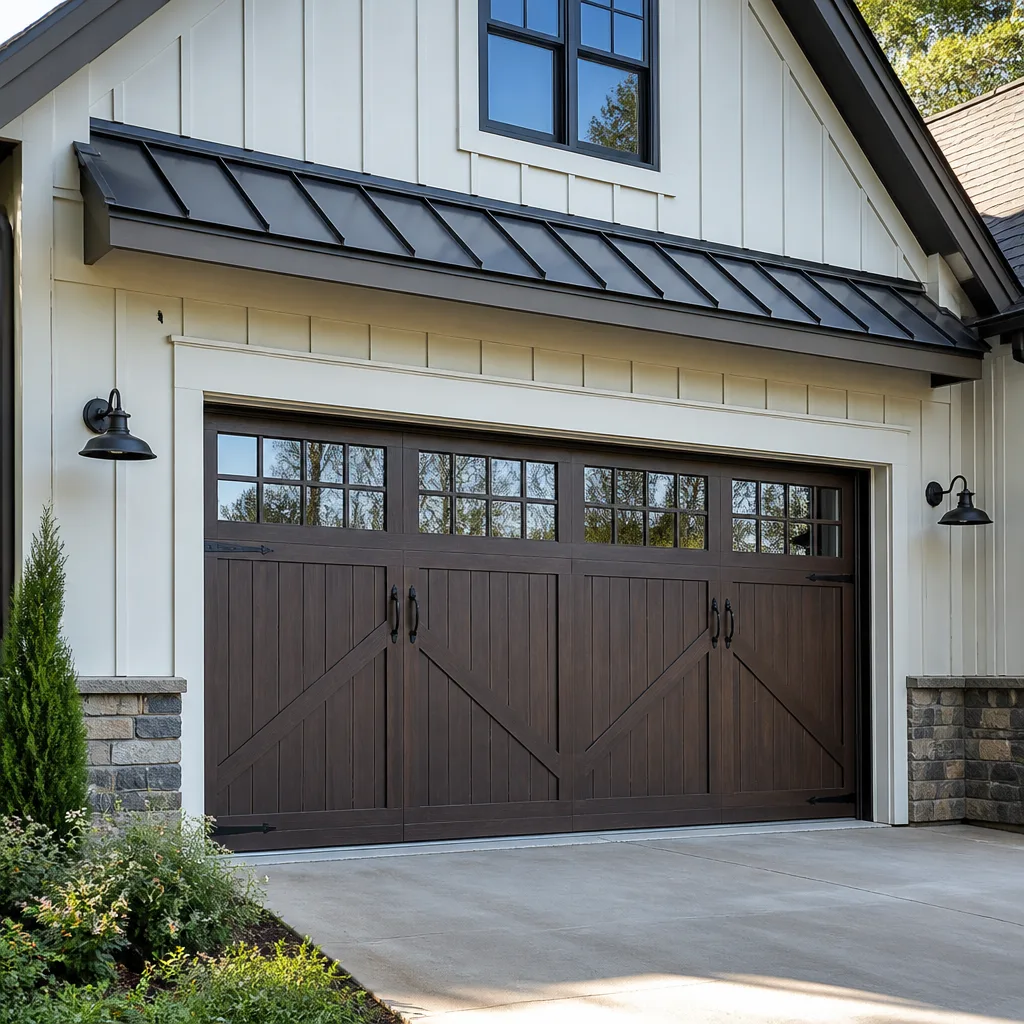 Carriage house
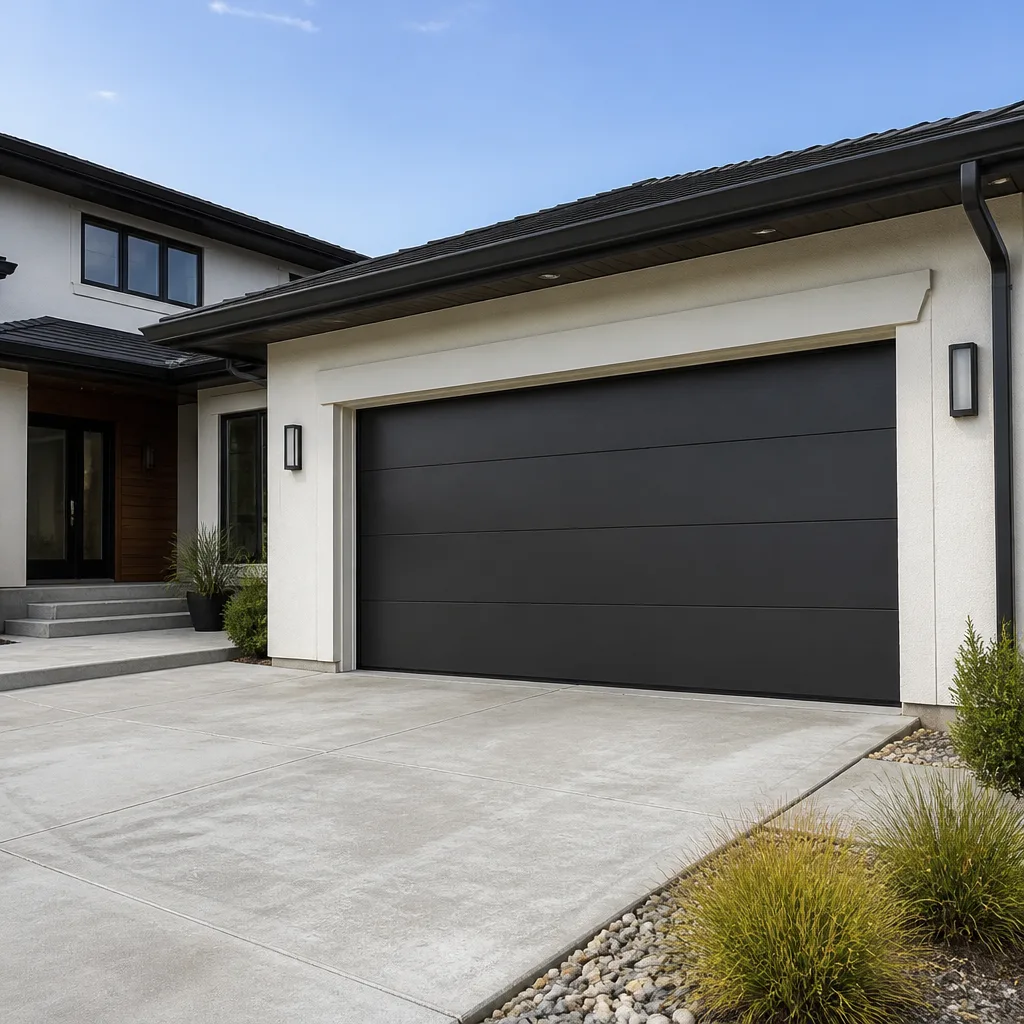 Modern flush
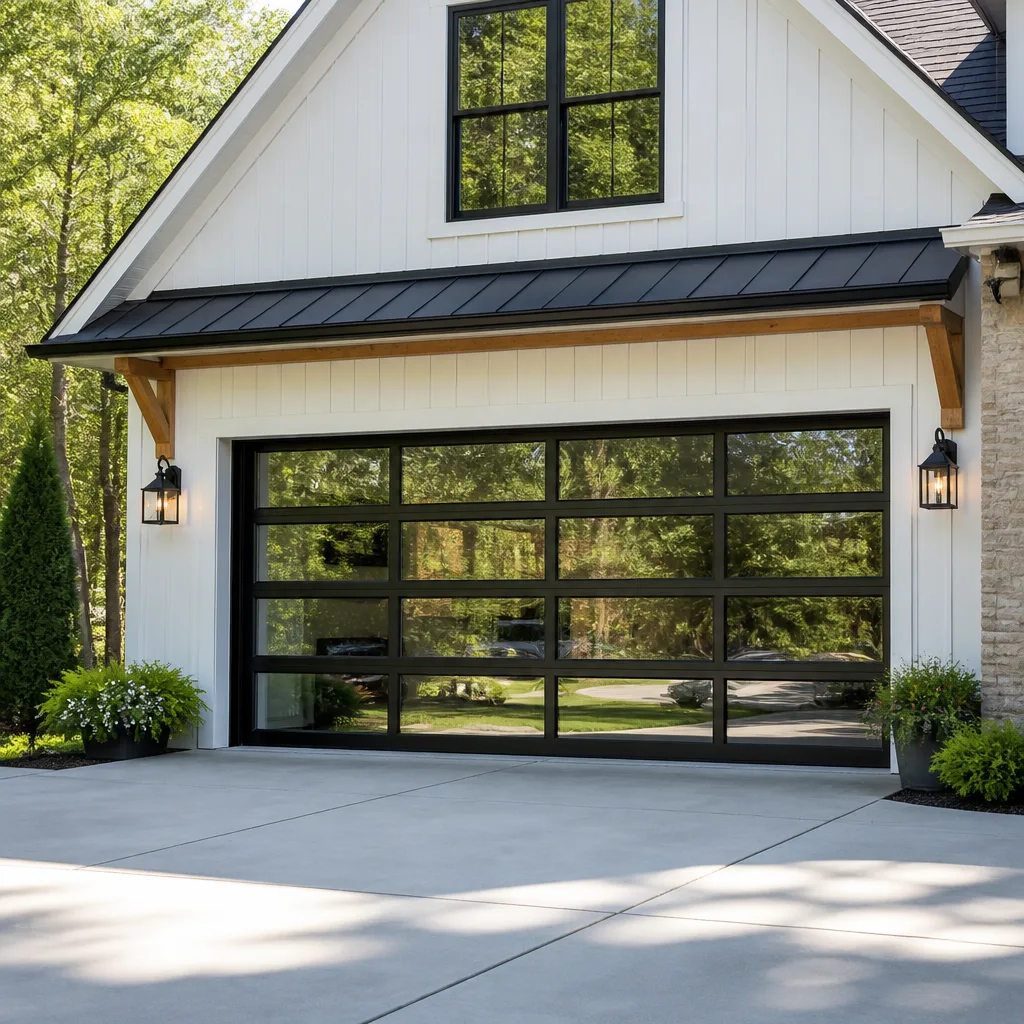 Full-view glass
 LiftMaster openers
 Chamberlain openers
Full 25-point door and opener safety check with every visit - springs, cables, rollers, tracks, and your LiftMaster or Chamberlain opener included
You get a price before we start. It does not change when the pro arrives.
Get your free estimateGarage Door Warning Signs: An Eagan Homeowner’s Reference Guide
A garage door that takes two seconds longer to open than it did last month is not “just getting old.” It’s often the first measurable sign of a torsion spring losing tension. And in Eagan winters, that spring is carrying more load than the weather it was sized for ever intended. Most homeowners here wait for the loud failure, the snapped cable or the door that won’t budge, because those are the signs everyone recognizes. The signals that actually matter show up quietly, weeks earlier. This guide walks through the subtle ones: cycle timing, rust staging, uneven floor gaps, opener hesitations and weather-seal wear. Learn to read them and you’ll catch small problems while they’re still small.
Quick Answer
The most overlooked garage door warning signs in Eagan are a door that opens slower than it used to, rust advancing past the surface of the torsion springs, uneven gaps along the floor, an opener that hesitates or reverses on its own, and a weather seal that sticks, cracks or lets light through. Each of these points to a specific mechanical problem that’s cheaper to fix early than after a failure. Any sign involving springs, cables or a door that has come off its track deserves a trained technician, not a DIY attempt.
Styles & brands we work with
- Raised-panel steel
- Carriage house
- Modern flush
- Full-view glass
- LiftMaster openers
- Chamberlain openers
Table of Contents
- The Slow-Open Timing Test: Benchmarking Your Door’s Cycle
- Reading Rust on Your Torsion Springs: Stage 1 vs. Stage 3
- What Uneven Gaps Along the Floor Tell You
- Opener Behavior Changes That Point to Mechanical Trouble
- Weather Seal Warning Signs in Eagan Homes
- Noise and Vibration: Separating Normal from Concerning
- A Seasonal Inspection Routine for Eagan
- When to Call a Professional
The Slow-Open Timing Test: Benchmarking Your Door’s Cycle
Your garage door’s speed is a mechanical fingerprint. It doesn’t change much from month to month on a healthy system, which makes any drift a useful early signal. The trick is having something to compare against.
Here’s how to build a simple benchmark. Use a phone stopwatch, and time from the moment the door starts moving to the moment it’s fully open. Do it three times and average the result. Write the number down somewhere you’ll find it again. Repeat the test once a month, ideally at the same time of day, since cold mornings and warm afternoons can shift the reading slightly.
What deviations mean:
- A steady increase of a second or two over several weeks often points to a torsion spring losing tension. The opener is working harder to lift the same weight.
- A sudden slow-down paired with a grinding sound usually means roller or hinge wear, or a roller that has come out of its track.
- A door that slows on one side but not the other suggests a stretched or fraying cable, or a track that’s out of alignment.
- A door that speeds up and slams at the end of travel can indicate spring tension that’s too high, or a failing opener clutch.
In Eagan, the timing test is especially useful in late fall. As temperatures drop, springs naturally lose some lift, and a door that was fine in September may start to lag by November. Catching that drift before the first hard freeze gives you time to schedule repair on your terms rather than during an emergency. If the drift is significant, it’s worth having the springs checked by a technician before the cold settles in.
Reading Rust on Your Torsion Springs: Stage 1 vs. Stage 3
Torsion springs live above the door, wound tight, and they’re the most mechanically dangerous part of any garage door system. You should never touch them, adjust them or try to test them by hand. But you can look at them from a safe distance, and what you see tells you a lot.
Rust on a torsion spring progresses in recognizable stages:
- Stage 1 – surface rust. A thin, even orange-brown film with no pitting. The metal is intact. This is cosmetic and common on springs in humid garages. It’s a signal to keep an eye on things, not to panic.
- Stage 2 – flaking and pitting. The rust has begun to lift away from the metal, leaving small pits and rough patches. The spring’s cross-section is thinning. This is the stage where a professional inspection is worthwhile, because the spring is working harder than it was designed to.
- Stage 3 – structural corrosion. Deep pitting, visible cracks, or sections of the coil that look swollen or distorted. The spring is compromised and could fail without warning. This is a stop-using-the-door situation until a technician has assessed it.
The climate in Eagan makes this progression faster than you might expect. Winter road salt tracked in on tires, condensation from freeze-thaw cycles, and the long humid stretch of summer all accelerate corrosion. Torsion springs in an attached garage here often move from Stage 1 to Stage 2 within a couple of seasons. If you see flaking, book a garage door spring repair assessment rather than waiting for the spring to break. A snapped spring can send the door crashing down and puts anyone nearby at real risk.
What Uneven Gaps Along the Floor Tell You
Stand inside your garage with the door closed and look at the line where the door meets the floor. On a well-adjusted door, that gap is even across the whole width. On a door with a developing problem, it won’t be, and the pattern of the gap tells you which problem you have.
- A gap that’s wider on one side than the other usually means the door is out of balance, often because one of the two springs has lost more tension than the other, or a cable has stretched.
- A gap that runs the full width but is wider than the thickness of the seal points to a worn or compressed bottom seal, or a door that isn’t closing fully because of an obstruction or a misadjusted limit switch on the opener.
- A gap that appears only at one corner can indicate a bent track, a worn hinge or a panel that’s out of square after a minor impact.
- A gap that changes from day to day is often a track that has shifted, or a door that’s binding in cold weather.
Uneven gaps matter for more than drafts. A door that’s out of balance puts extra strain on the opener and the springs, which shortens the life of both. In Eagan, where temperature swings are wide, a door that binds slightly in January can bind much worse by February. Catching the gap early is usually a small adjustment. Catching it late is often a cable or spring replacement. If you’re unsure whether your gap is cosmetic or mechanical, that’s a question we’re happy to answer.
Opener Behavior Changes That Point to Mechanical Trouble
Your opener is the brain of the system, and it talks to you through its behavior. Changes in how it starts, stops or reverses are worth paying attention to, because they usually point to a specific mechanical issue underneath.
The three behavior changes we see most often:
- Hesitation before closing. The door starts, stops, then starts again. This is commonly a sign of a binding track, a worn roller, or a safety sensor that’s partially obstructed. Sometimes it’s a failing logic board in an older unit.
- Unexpected reversal. The door starts down, then goes back up without anything in the way. That’s usually a safety sensor issue (misalignment, dirt, or a sun glare problem on the lens) or a door that’s binding and triggering the opener’s force limit.
- Slower travel or a change in motor sound. A higher-pitched whine, or a motor that runs noticeably longer to complete the same cycle, points to the opener working harder than it should. On a chain-drive unit, that’s often a stretched chain. On a belt-drive, it can be a worn belt or a failing capacitor.
We work with the major smart and legacy opener brands, including LiftMaster, Chamberlain, Genie and Craftsman, which means diagnosis often starts from known behavior patterns rather than guesswork. If your opener is hesitating or reversing, the cause could be in the opener itself or in the door it’s lifting, and it’s worth finding out which before you replace anything. A garage door opener repair visit can usually separate the two within a short appointment.
Weather Seal Warning Signs in Eagan Homes
The weather seal at the bottom of your door is the least glamorous part of the system, and the one Eagan winters punish hardest. It’s also the easiest warning sign to read, because it’s right there at floor level.
Watch for these specific failure patterns:
- Freeze bonding. If your door sticks to the floor on cold mornings and needs an extra pull from the opener to break free, the seal is freezing to the concrete. Over time that mechanical shock damages the seal, the opener and the bottom panel. A seal that’s rated for cold climates and a door that’s properly adjusted will reduce this.
- Cracking patterns. Small cracks that start at the edges and spread inward mean the rubber has dried out and lost flexibility. Once it’s cracking, it’s no longer sealing.
- Light gaps. With the door closed and the garage dark, look for daylight around the perimeter. Light gaps mean air gaps, and in an Eagan winter that’s heat leaving your garage and cold air moving toward the house.
- A seal that’s flattened or compressed. A seal that used to spring back and now stays flat has lost its rebound. It won’t seal against the floor even when the door is fully down.
Seal replacement is one of the lower-cost fixes in garage door maintenance, and it’s also one that pays you back on heating. The key is catching it before the cracks spread and before the freeze bonding starts stressing the opener. If your seal is over a few seasons old and you’re seeing any of these signs, it’s worth a look.
Noise and Vibration: Separating Normal from Concerning
Garage doors are mechanical, so they make noise. The question is which noise is normal and which is a warning. Here’s a quick way to tell the difference.
- Normal: A smooth, low hum from the opener, a soft rattle from the panels, and a consistent sound from the rollers on the track. This is a door that’s working the way it should.
- Concerning: A grinding or scraping sound (worn rollers or a misaligned track), a loud bang at the start or end of travel (spring tension issue or a loose hinge), a popping sound (a spring under stress or a cable slipping), or a metal-on-metal screech (dry hinges or a bent track).
- Very concerning: Any loud snap followed by a door that won’t move, a door that slams down under its own weight, or a door that hangs crooked on one side. These are signs of spring or cable failure, and the door should not be used until a technician has assessed it.
Vibration is the quieter cousin of noise. A door that rattles the whole garage frame when it moves is transmitting vibration through the tracks, which is usually a sign that one of the track brackets has loosened or a roller is worn past its tolerance. Eagan’s freeze-thaw cycles work on those fasteners over the years, so a vibration issue that appears in spring is often a fastener that loosened over winter. A quick check of the track brackets and roller condition resolves most of these.
A Seasonal Inspection Routine for Eagan
You don’t need to be a technician to keep a garage door healthy. You just need a routine that matches the climate. Here’s a five-minute check you can run yourself, plus a seasonal version.
Monthly, five minutes:
- Run the timing test and note the cycle time.
- Look at the torsion springs from a safe distance for rust progression.
- Look at the floor gap with the door closed.
- Listen during one full open/close cycle for any of the concerning noises above.
- Check the weather seal for cracks or light gaps.
Before winter (October), add:
- Test the auto-reverse safety feature by placing a small object in the door’s path. The door should stop and reverse.
- Check the safety sensors at the base of the tracks; clean the lenses and confirm the indicator lights are steady.
- Look for rust that’s advanced from Stage 1 to Stage 2 over the summer.
After winter (April), add:
- Inspect for salt and sand damage to tracks, rollers and springs.
- Check for any loosened track brackets or fasteners from freeze-thaw movement.
- Rerun the timing test and compare to your October reading.
This routine won’t catch everything, but it catches the small signs that precede most Eagan garage door failures. When something looks off, you’ve got a specific observation to share with a technician, which makes the visit faster and the diagnosis more accurate. If a full inspection turns up something bigger than a seal or a hinge, a garage door repair visit is the right next step.
Common Mistakes to Avoid
- Testing a torsion spring by hand. These springs are under high tension and can cause serious injury. Never try to lift a door manually to test spring condition or turn an adjustment bolt. Call a trained professional, and keep everyone clear of the door until they arrive.
- Ignoring the timing drift. A door that opens a second slower this month than last is easy to dismiss as “just age.” It’s usually the earliest readable sign of spring tension loss, and ignoring it is how a small adjustment becomes a full spring replacement.
- Spraying lubricant on a rusty spring. Lubricant slows rust but doesn’t restore tension. If the rust is past Stage 1, oiling the spring masks the symptom without fixing the cause, and it can make the eventual failure harder to predict.
- Assuming a slow door is an opener problem. In Eagan, a door that hesitates in January is often a binding track or cold-thickened grease, not a failing opener. Replacing the opener without diagnosing the door is a common and expensive mistake.
- Waiting for the weather seal to fall off before replacing it. Cracking and freeze bonding damage the opener and door over time. Replacing the seal at the first crack is one of the cheapest fixes in the whole system, and one of the easiest to postpone.
- Assuming Minnesota code allows a DIY re-tension. Spring adjustment involves specific tools and trained technique. If you’re unsure whether a repair is DIY-appropriate, ask your city’s building department; most garage door spring work falls outside safe DIY scope.
- Replacing a door without checking the brand. Panel and hardware compatibility varies widely between manufacturers. If your door is a Clopay, Amarr, Wayne Dalton or Raynor system, knowing the brand and model upfront avoids a mismatch and a return trip.
See the difference
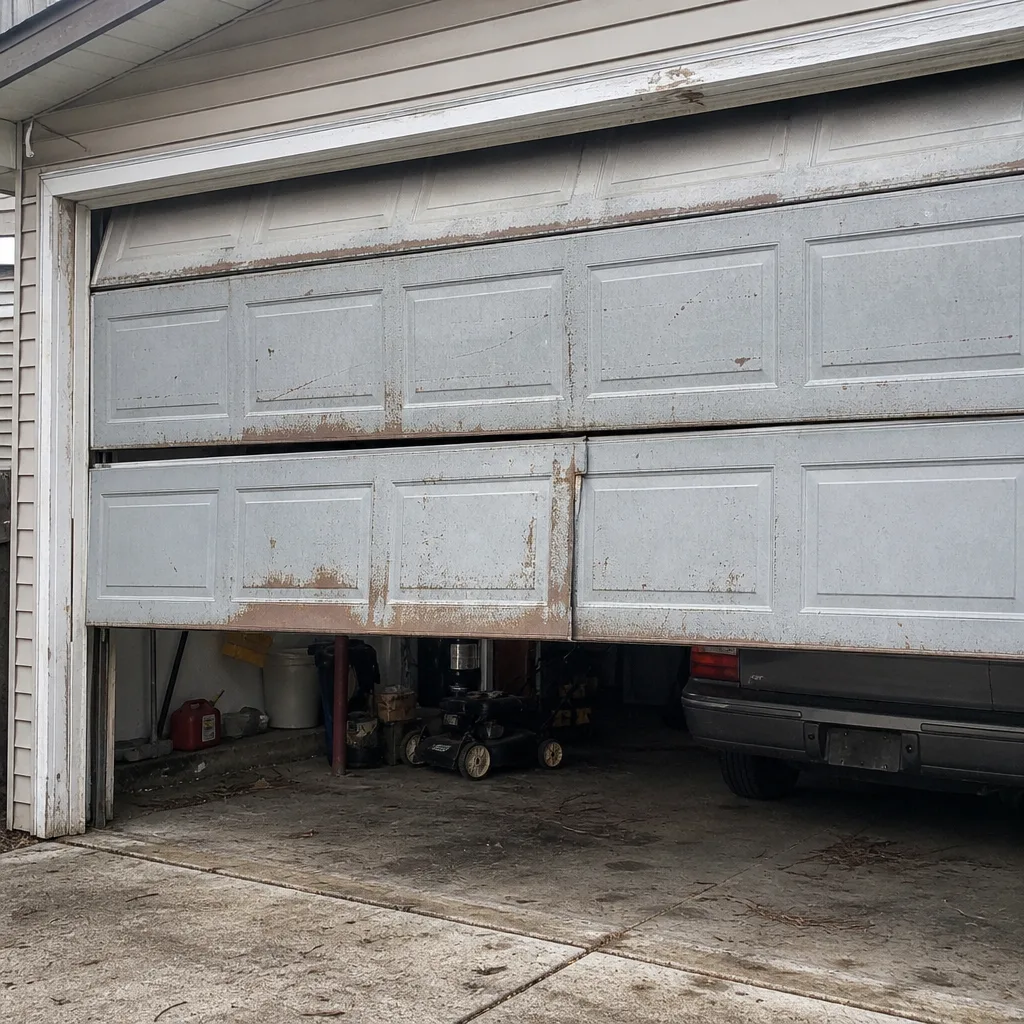 Before
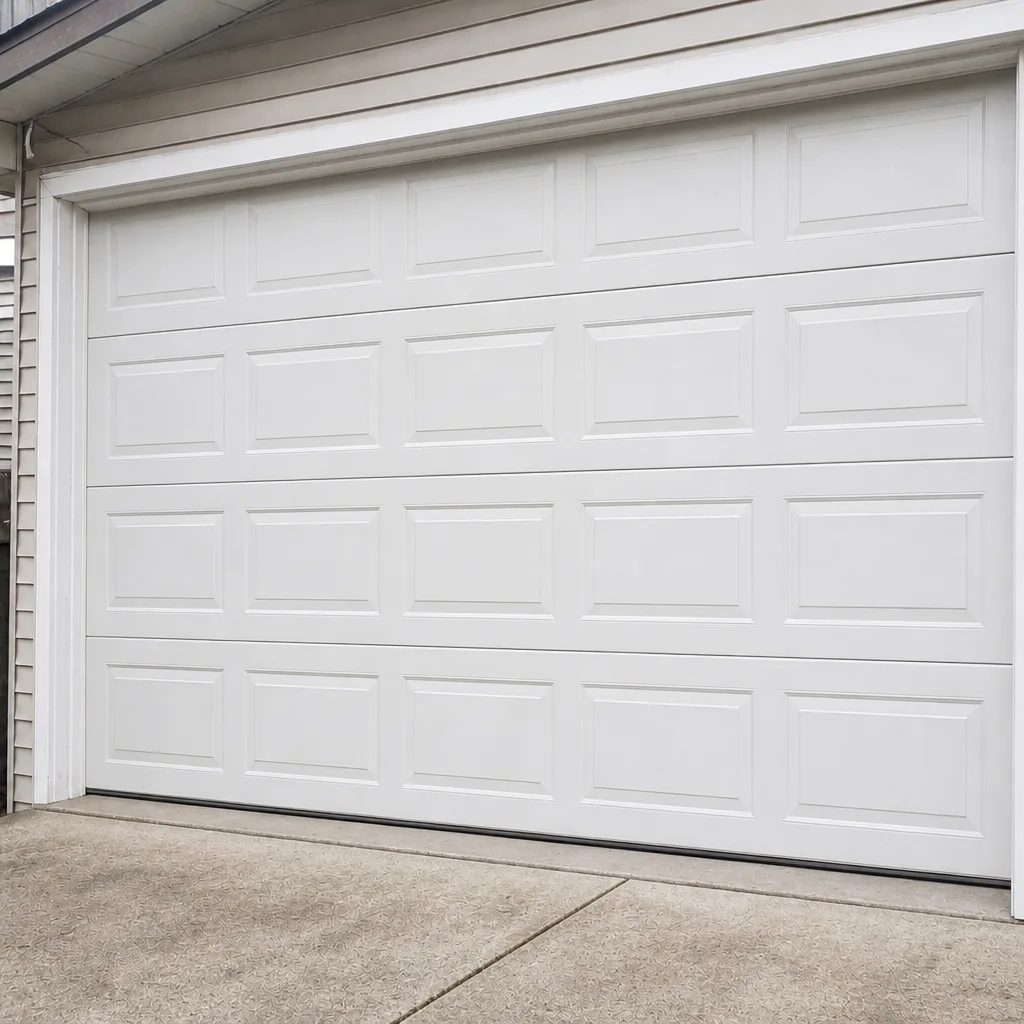 After
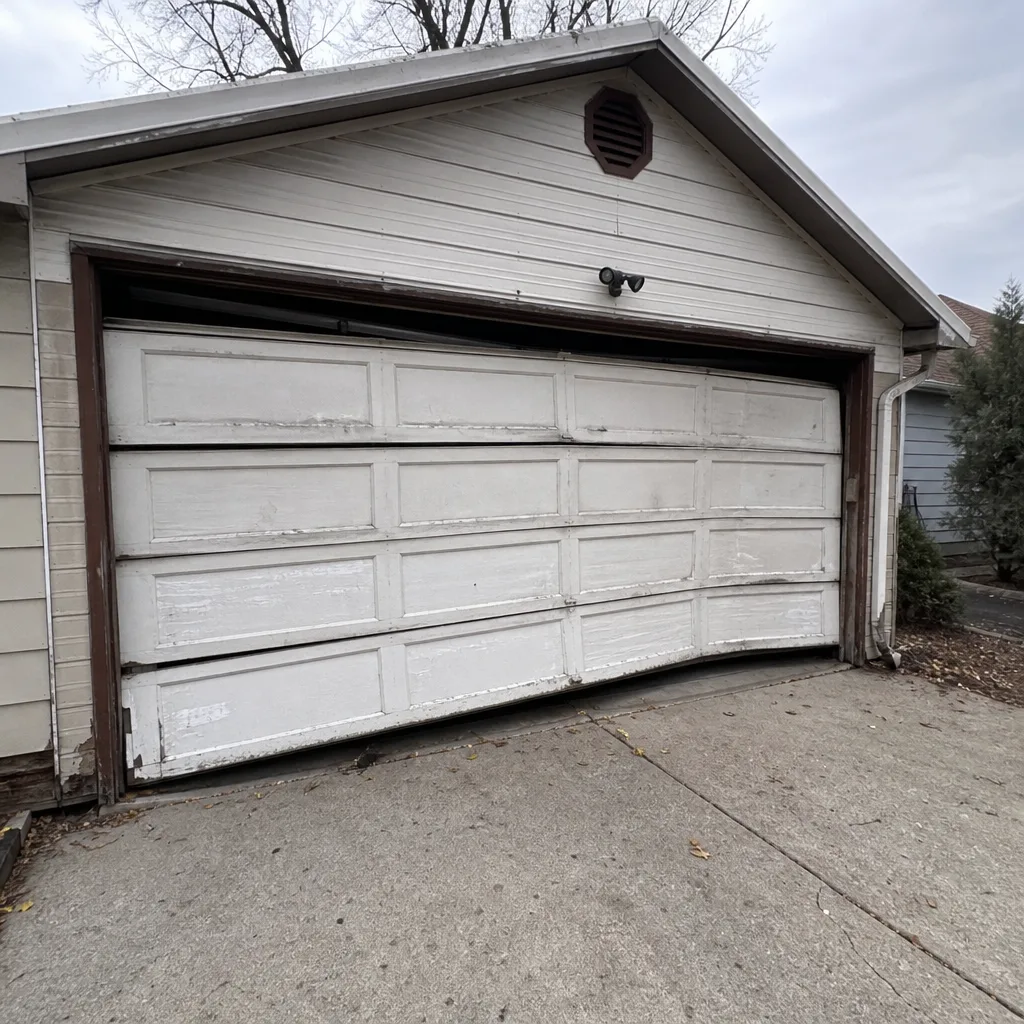 Before
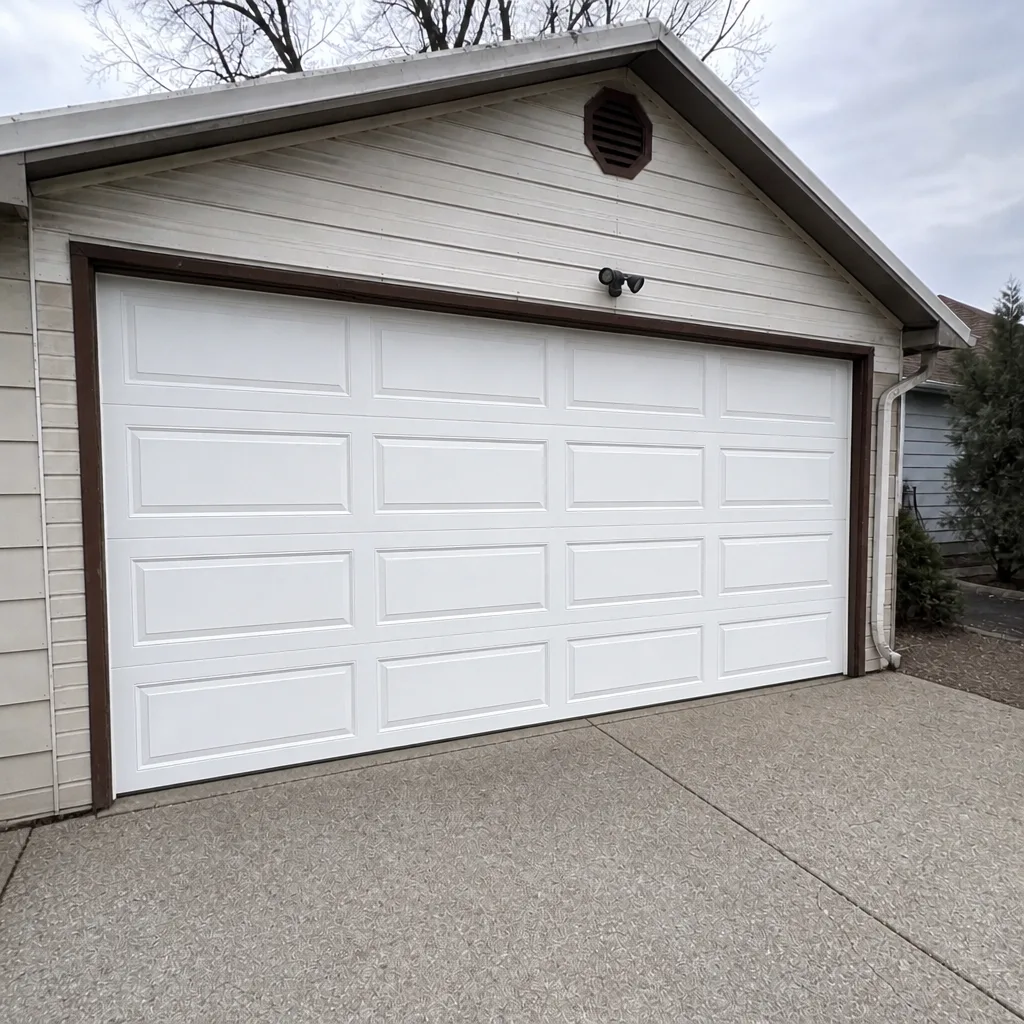 After
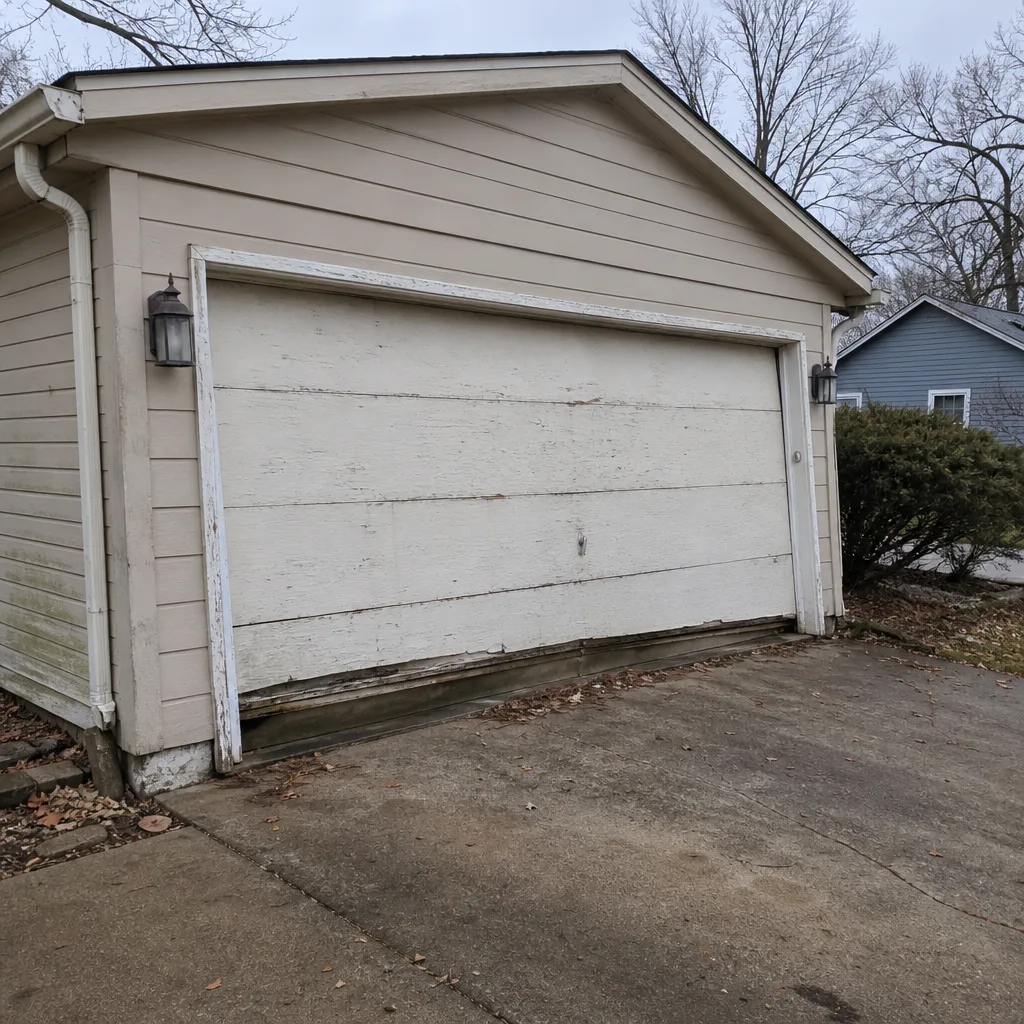 Before
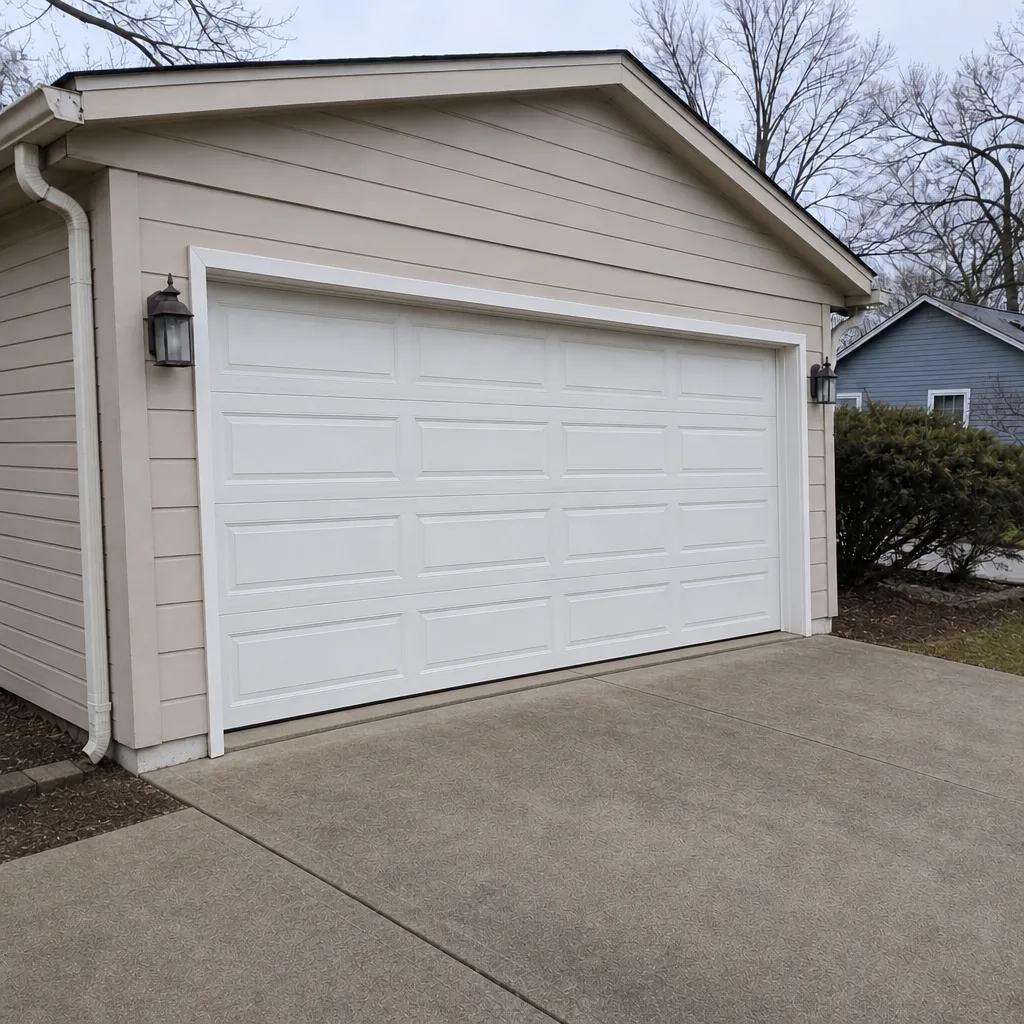 After
When to Call a Professional
Some warning signs are safe to monitor yourself: a Stage 1 rub of surface rust, a seal with a small crack, a slight timing drift you want to track. Others cross the line where continuing to use the door is a bad idea. Call a professional if you see a spring that’s past surface rust, hear a snap or pop and the door won’t lift evenly, notice a door hanging crooked on one side, find a cable that’s frayed or has come off its drum, or have an opener that reverses for no reason you can identify. Any of these points to a mechanical failure in progress, and a trained technician can assess it safely.
Eagan Garage Door Repair Pros offers free estimates in Eagan. Call (877) 492-2497. We answer 24/7. Fast dispatch from 7am to 7pm, Sunday through Friday. Spring work is handled as a dedicated repair, not patched together, and we work on LiftMaster, Chamberlain, Genie, Clopay, Amarr, Wayne Dalton, Craftsman and Raynor systems. If a door needs more than repair, a garage door installation visit starts with a free measurement and a written price before any work is scheduled.
Frequently Asked Questions
A door that opens slightly slower than it did a month earlier is the most overlooked warning sign, and it’s often the earliest signal of a torsion spring losing tension. The change is easy to dismiss because the door still works. Benchmarking your cycle time monthly is the simplest way to catch it, and the earlier it’s caught, the cheaper the fix.
Look at the spring from a safe distance and judge the rust pattern. A thin, even orange film is surface corrosion and the spring is still structurally intact. Flaking or pitting indicates the metal is thinning. Deep cracks, distortion or swelling indicate structural failure, and the door should not be used until a technician assesses it. Never touch, adjust or test a torsion spring by hand; these springs are under high tension and can cause serious injury.
A door that hesitates before closing in cold weather is usually binding in the track, running on cold-thickened grease, or seeing a partially obstructed safety sensor. The cause is often the door, not the opener, and diagnosing the door first usually saves the cost of replacing a part that’s still good.
Most spring repairs fall into a range that depends on whether you have one spring or a matched pair, the door’s size and weight, and whether the cables and drums need attention too. We don’t quote over the phone; the written estimate sets the final price, and it’s free. Call (877) 492-2497 and we’ll schedule a visit to give you a firm number before any work begins.
A weather seal is a safe DIY replacement for most homeowners, and it’s a good small project. A spring is not. Torsion springs are under high mechanical tension, and adjusting or replacing one without the right tools and training causes serious injuries every year. For anything involving the springs, cables or drums, call a trained technician.
The local professionals we connect you with are licensed and insured as their state requires. We work on the major door and opener brands, including Clopay, Amarr, Wayne Dalton, LiftMaster, Chamberlain, Genie, Craftsman and Raynor, and our technicians have up to 14 years of experience. Call (877) 492-2497 for an exact quote; estimates are free.
Yes, same-day service is available for urgent failures, and emergency response is a confirmed part of what we do. If your door won’t move, stays crooked, or made a loud snap, call (877) 492-2497. We answer 24/7. Fast dispatch from 7am to 7pm, Sunday through Friday. A call outside dispatch hours is booked into the next opening, Sunday through Friday, 7am to 7pm.
No. The price is quoted and agreed before any work starts. If we find something additional during the visit that affects the repair, we’ll explain it and give you a revised written estimate before continuing, so you always know what you’re paying before you say yes.
The Bottom Line
The garage door failures that cost Eagan homeowners the most are usually the ones that were visible for weeks before they happened. A slow cycle, a flaking spring, an uneven floor gap, a hesitating opener, a cracked seal: each of these is a small, readable signal that a bigger problem is forming. Read them early with the monthly timing test and the seasonal inspection routine and you’ll catch most of them while they’re still a repair rather than a replacement. When something crosses the line, whether it’s a rusty spring, a crooked door or an opener that won’t cooperate, call a trained professional rather than testing your luck. We work on the major brands, we handle spring repair as a dedicated specialty, and we’ll back you up and running.
Contact Eagan Garage Door Repair Pros for a free estimate. Call (877) 492-2497. We answer 24/7. Fast dispatch from 7am to 7pm, Sunday through Friday.
Visit Eagan Garage Door Repair Pros for more guides, or explore garage door repair services across Eagan.
Written by the team at Eagan Garage Door Repair Pros.